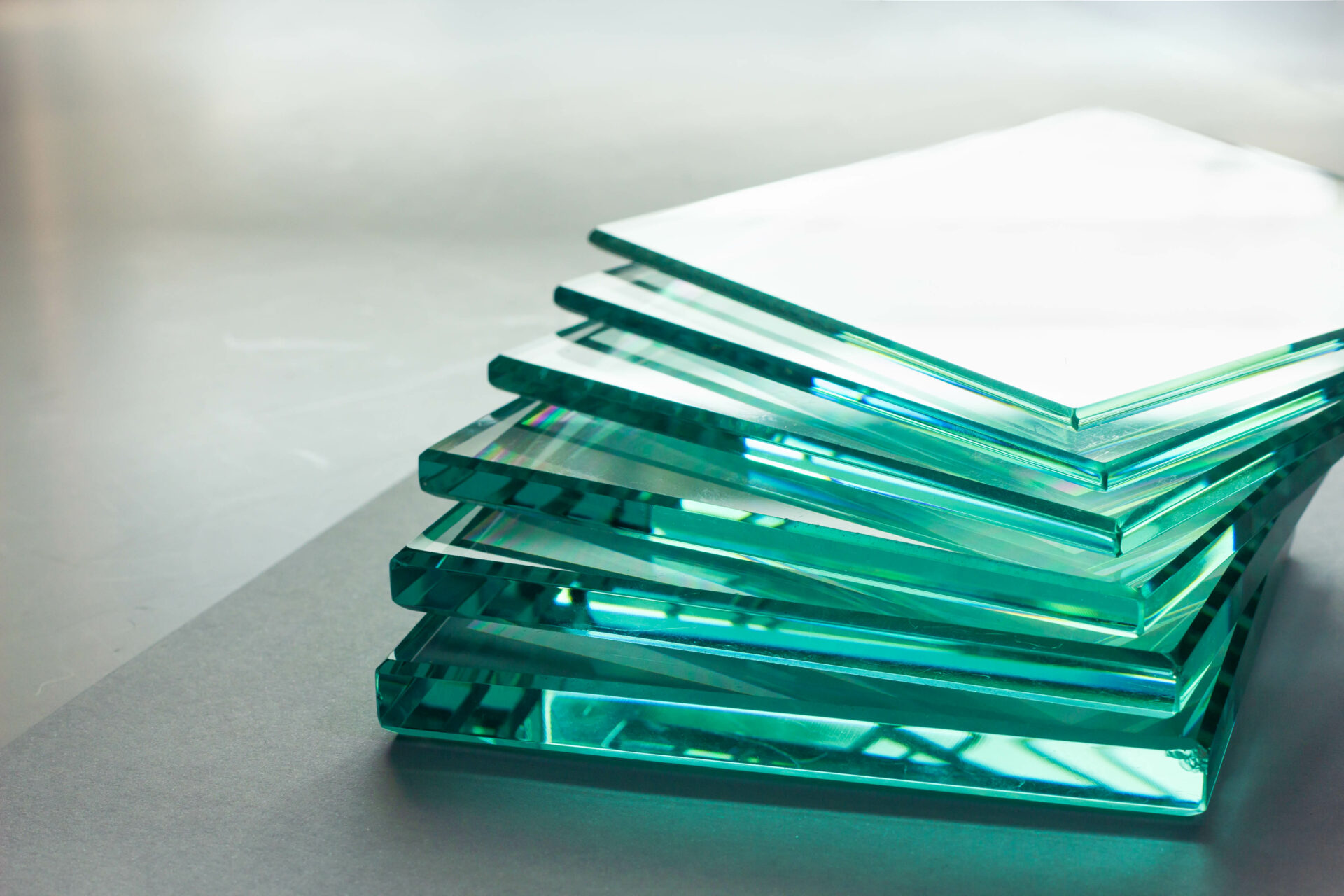

Yes, cabin glass can significantly reduce condensation and fogging on windows through advanced glazing technologies and proper design. Specialized marine glass solutions, including heated glass systems, double glazing, and anti-fog coatings, actively prevent moisture buildup that causes visibility problems. Combined with proper ventilation, modern cabin glass provides clear sightlines even in challenging marine conditions.
What causes condensation and fogging on cabin windows?
Condensation forms when warm, humid air contacts cooler glass surfaces, causing water vapour to convert into visible droplets. This occurs when interior cabin temperatures exceed exterior conditions, creating temperature differentials that trigger moisture accumulation on window surfaces.
Temperature differentials are the primary driver of cabin window fogging. When heated cabin air meets cold exterior glass, the surface temperature drops below the dew point, forcing water vapour to condense. Marine environments intensify this effect due to naturally high humidity levels from surrounding bodies of water.
Poor air circulation compounds condensation problems by allowing humid air to stagnate near window surfaces. Without adequate ventilation systems, moisture-laden air remains in contact with glass longer, increasing condensation formation. Activities such as cooking, breathing, and equipment operation add moisture to cabin air, further elevating humidity levels that contribute to persistent fogging issues.
How does specialized cabin glass prevent condensation buildup?
Heated glass systems maintain surface temperatures above dew point levels, preventing moisture from condensing on interior surfaces. These systems use thin electrical elements integrated into the glazing that warm the glass uniformly, eliminating temperature differentials that cause fogging.
Double glazing creates an insulating air gap between glass panes that reduces heat transfer and maintains warmer interior surface temperatures. This thermal barrier prevents exterior cold from reaching the cabin-side glass, significantly reducing condensation formation. The sealed air space also provides additional insulation benefits for energy efficiency.
Anti-fog coatings applied to glass surfaces alter the way moisture behaves on contact. These specialized treatments cause water to form thin, transparent sheets rather than visible droplets, maintaining optical clarity even when condensation occurs. Marine-grade coatings withstand harsh saltwater environments while providing long-lasting anti-fog performance.
Laminated glass options incorporate moisture-resistant interlayers that prevent internal fogging between glass layers. This construction ensures that even if exterior condensation occurs, the primary viewing surface remains clear for safe navigation and operation.
What ventilation factors work together with anti-fog glass?
Proper air circulation removes humid air from window surfaces before condensation can form. Effective ventilation systems create airflow patterns that prevent moisture-laden air from stagnating near glazing, working alongside specialized glass to maintain clear visibility.
Humidity control systems manage moisture levels throughout the cabin space, reducing the amount of water vapour available for condensation. Dehumidification equipment removes excess moisture from cabin air, while controlled ventilation introduces drier exterior air when conditions permit.
Strategic air movement near windows is essential for condensation prevention. Ventilation systems should direct airflow across glass surfaces to disrupt the boundary layer where condensation typically forms. This circulation works synergistically with heated glass and anti-fog treatments to maintain optimal visibility.
Environmental management includes controlling moisture sources within the cabin space. Proper ventilation of cooking areas, equipment compartments, and living spaces prevents excess humidity from accumulating. Fresh air intake systems help balance interior moisture levels with exterior conditions when appropriate.
Temperature regulation throughout the cabin reduces the temperature differentials that drive condensation formation. Consistent heating systems work alongside ventilation to maintain stable conditions that support the performance of specialized anti-fog glazing solutions.