

Train windows can function as emergency exits when they incorporate specific design elements that allow safe, rapid evacuation during critical situations. Emergency exit windows in raideliikenteen applications feature reinforced aluminium framing, safety glass that can be quickly removed or broken, clear visual markings, and activation mechanisms designed for intuitive operation under stress. These specialized glazing solutions meet stringent safety standards whilst maintaining structural integrity during normal operation.
What makes a train window suitable for use as an emergency exit?
Emergency exit windows in raideliikenteen vehicles require reinforced aluminium frame construction that balances structural strength with lightweight operation. The frames must withstand normal operational stresses whilst allowing rapid removal during emergencies. We engineer these systems using high-grade aluminium profiles that provide exceptional durability without adding unnecessary weight that would hinder emergency activation.
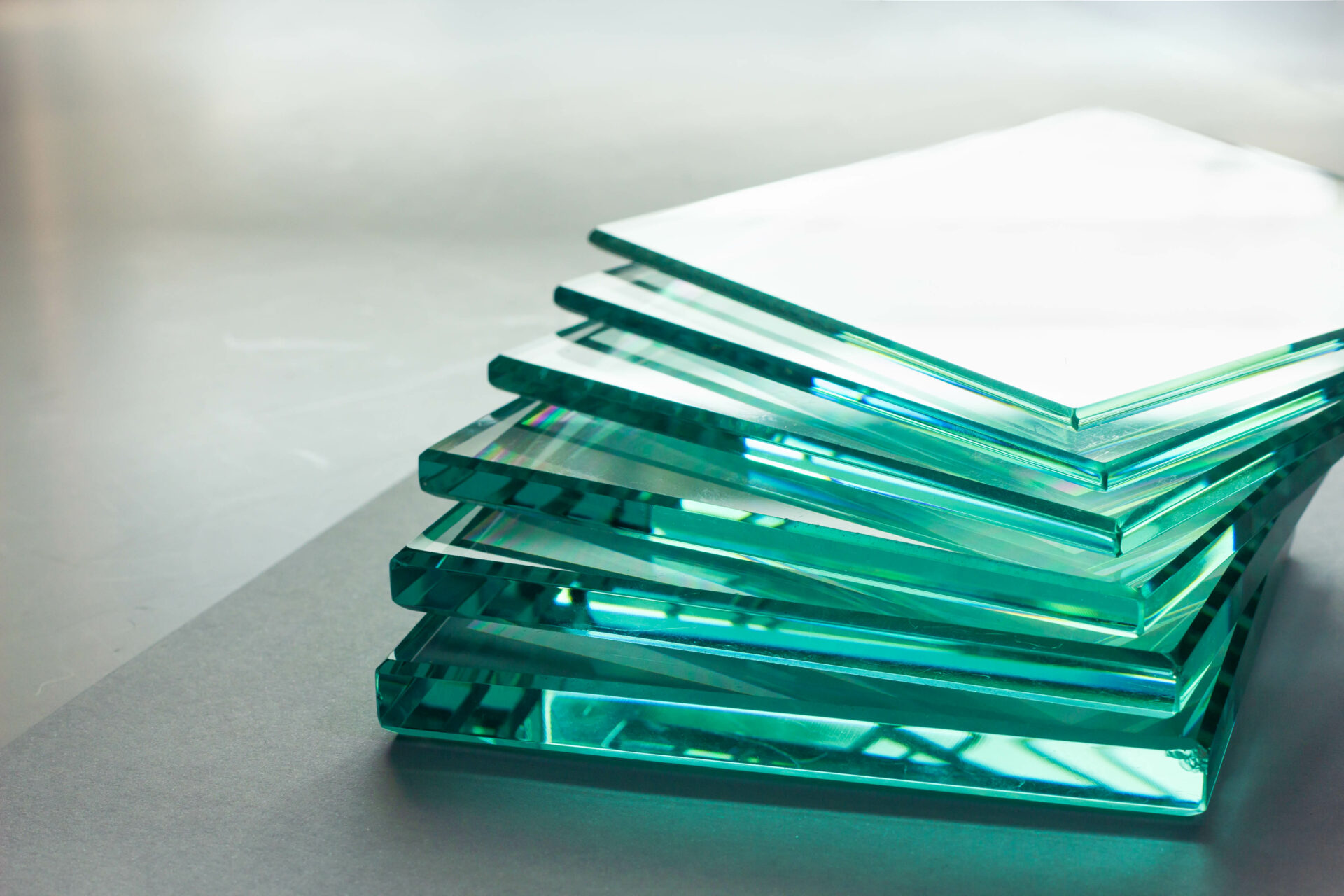
The glazing itself typically consists of tempered or laminated safety glass designed to break into small, relatively harmless fragments when shattered. Tempered glass offers high impact resistance during normal operation, whilst laminated variants hold together when broken, reducing injury risk. Size specifications follow strict regulatory requirements, ensuring openings are large enough for passenger evacuation whilst maintaining vehicle structural integrity.
Quick-release mechanisms form the critical interface between normal security and emergency function. These systems must remain absolutely secure during regular operation, resisting vibration, pressure changes, and attempted tampering, yet activate reliably when needed. Our aluminium framing systems accommodate various release mechanisms whilst maintaining the frame strength necessary for demanding raideliikenteen environments.
Visual marking requirements ensure passengers can instantly identify emergency exits. Bright colour coding, illuminated signage, and clear pictographic instructions must remain visible under all lighting conditions, including power failures. The aluminium frames provide mounting points for these essential identification elements whilst contributing to the overall aesthetic integration within the vehicle interior.
How do passengers actually open train windows during an emergency?
Activation mechanisms vary by design, but all prioritize intuitive operation requiring minimal instruction during high-stress situations. Hammer-break systems provide the simplest approach: passengers use a dedicated emergency hammer mounted near the window to strike specific points on the glass, shattering it for exit access. The tempered glass breaks into small pieces, and the aluminium frame remains intact to guide evacuation.
Push-out designs incorporate quick-release latches that disengage the entire glazing assembly from its frame. Passengers pull a clearly marked handle or lever, releasing mechanical locks that hold the window in place. The window unit then pushes outward completely, creating an unobstructed opening. These systems require careful engineering to ensure locks remain secure during normal operation despite constant vibration and pressure variations in raideliikenteen environments.
Some advanced systems feature windows that release but remain tethered to the vehicle via cables, allowing potential reuse and preventing the window from falling onto tracks or platforms. After activation, the aluminium frame guides the window’s controlled descent, maintaining a clear exit path whilst protecting people below.
Visual instructions positioned directly on or adjacent to emergency windows use universal pictograms showing the exact activation steps. These instructions must remain legible under emergency lighting conditions and be understandable regardless of passenger language. Testing protocols verify that mechanisms function reliably after years of exposure to temperature extremes, humidity, and operational vibration typical in raideliikenteen applications.
What safety standards and regulations govern train emergency exit windows?
European railway safety standards, including EN 45545 for fire protection and various EN standards for structural integrity, dictate comprehensive requirements for emergency exit windows. These regulations specify minimum opening sizes, typically around 500mm × 700mm, ensuring adequate space for passenger evacuation including those with mobility challenges. Standards also mandate the number of emergency exits per carriage based on passenger capacity and vehicle length.
Testing protocols verify that emergency windows withstand extreme operational conditions whilst maintaining reliable activation. GMRT 2100 testing requirements ensure glazing systems resist penetration from flying objects at high speeds, critical for raideliikenteen safety. Our aluminium framed glazing solutions undergo rigorous testing for impact resistance, temperature cycling from -40°C to +80°C, humidity exposure, and repeated activation cycles to verify long-term reliability.
Durability requirements extend beyond initial installation. Emergency exit windows must maintain full functionality throughout the vehicle’s service life, often spanning decades in raideliikenteen applications. We design our systems with maintenance accessibility in mind, allowing replacement of glass, seals, and activation mechanisms without complete frame removal. This approach supports the extended operational life demanded by rail operators whilst ensuring emergency systems remain dependable.
Compliance verification involves both initial certification and ongoing inspection protocols. Manufacturers must demonstrate that production units consistently meet specification requirements, not merely prototype samples. We maintain detailed documentation of materials, manufacturing processes, and quality testing for each batch, ensuring traceability and consistent compliance with raideliikenteen safety standards. Regular inspection intervals verify that installed emergency exits maintain their certified performance characteristics throughout their service life.