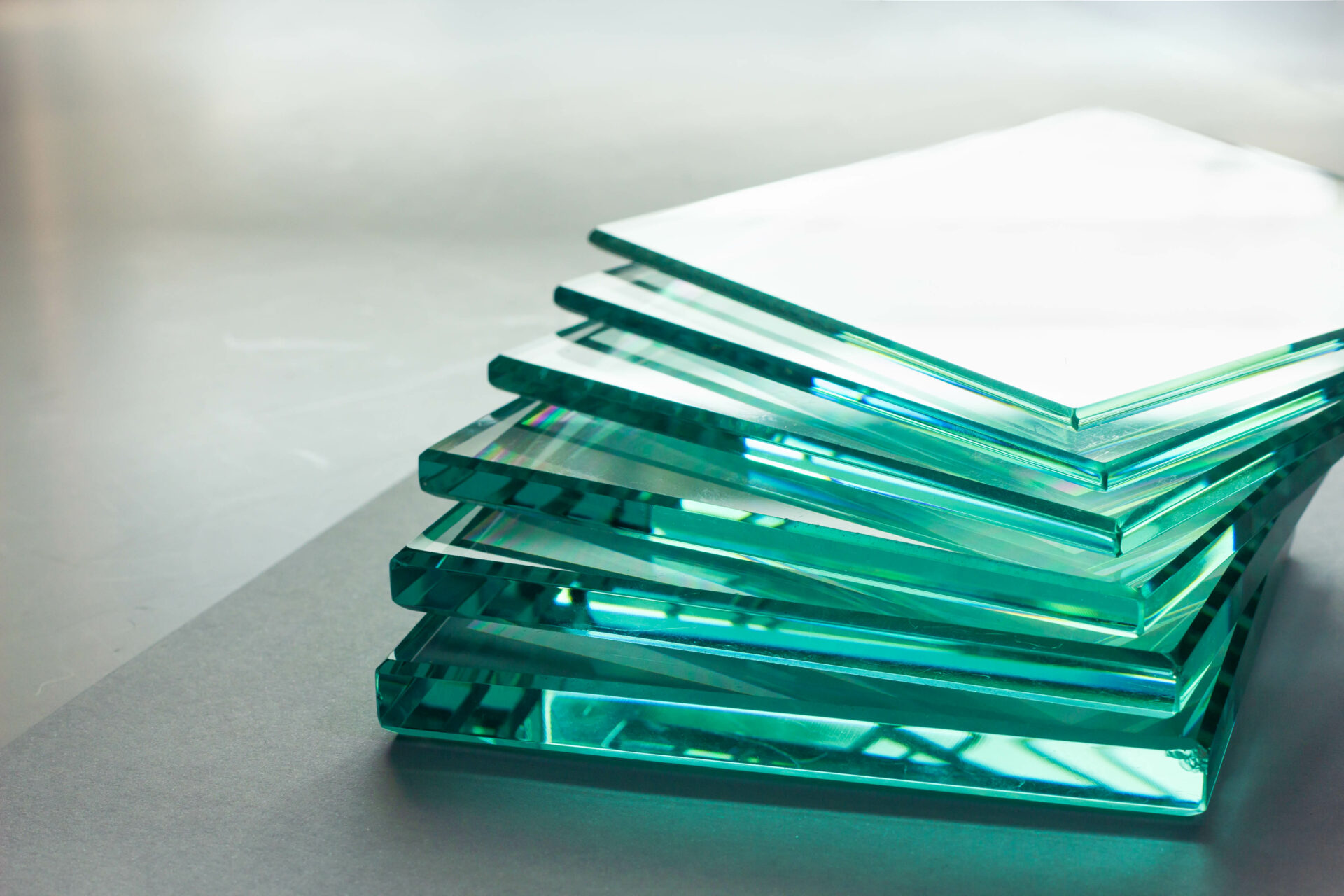

Triple-glazed windows feature three glass panes with two gas-filled spaces, while quadruple glazing includes four panes with three insulating chambers. Both systems dramatically improve cabin insulation by creating multiple thermal barriers that prevent heat loss. The additional glass layers and gas fills reduce energy costs and enhance year-round comfort in demanding environments.
What’s the difference between triple and quadruple glazed windows for cabin insulation?
Triple-glazed windows contain three glass panes separated by two insulating chambers, while quadruple glazing systems feature four glass panes with three thermal barriers. The spaces between glass layers are filled with inert gases like argon or krypton, which provide superior insulation compared to standard air gaps.
Triple glazing typically achieves U-values between 0.8 and 1.2 W/m²K, representing substantial thermal performance improvements for cabin applications. Quadruple-glazed systems can reach even lower U-values of 0.4 to 0.8 W/m²K, making them ideal for extreme climate conditions where maximum insulation is essential.
The structural differences extend beyond glass count. Multi-pane glazing solutions require robust aluminium frames capable of supporting increased weight while maintaining structural integrity. We design custom profile systems that accommodate the specific dimensional requirements of advanced glazing configurations, ensuring optimal performance in demanding cabin environments.
Gas fill composition varies between systems. Argon gas provides excellent thermal performance at reasonable cost, while krypton offers superior insulation properties for applications requiring maximum energy efficiency. The sealed chambers prevent moisture infiltration and maintain consistent thermal performance throughout the glazing system’s lifespan.
How much better is the thermal performance of multi-pane glazing compared to standard double glazing?
Multi-pane glazing systems deliver thermal performance improvements of 40–60% compared to standard double-glazing units. Double glazing typically achieves U-values around 1.4 to 2.8 W/m²K, while triple and quadruple systems reach 0.4 to 1.2 W/m²K, representing significant energy efficiency gains.
The thermal conductivity improvements translate directly into reduced heating costs and enhanced comfort levels. Cabins equipped with advanced multi-pane glazing maintain more consistent internal temperatures, reducing the workload on heating systems during cold periods and minimising unwanted heat gain during warmer months.
Surface temperature differences provide another crucial advantage. Standard double glazing often creates cold spots near window areas, leading to condensation issues and uncomfortable draughts. Multi-pane glazing solutions maintain interior glass surface temperatures closer to room temperature, eliminating these comfort problems.
Energy efficiency calculations demonstrate substantial long-term benefits. The improved insulation properties reduce heating demands, particularly important for cabins in remote locations where energy costs may be elevated. We work with clients to specify glazing solutions that balance initial investment with operational savings over the system’s lifespan.
Why do cabins in harsh climates need specialised glazing solutions?
Cabins face extreme temperature variations, heavy snow loads, and constant moisture exposure that standard glazing cannot adequately address. Specialised glazing solutions provide essential protection against thermal cycling, structural stresses, and environmental challenges that would compromise conventional window systems.
Temperature fluctuations in cabin environments can exceed 50°C between seasonal extremes. These thermal cycles create expansion and contraction stresses that require carefully engineered glazing assemblies with appropriate materials and sealing systems. Our aluminium frame profiles accommodate these movements while maintaining weathertight performance.
Moisture management becomes critical in cabin applications where heating and cooling cycles create condensation risks. Advanced glazing systems incorporate proper drainage channels and vapour barriers to prevent moisture accumulation that could lead to frame corrosion or seal failure over time.
Structural considerations include wind loading and snow accumulation that standard residential glazing specifications may not address. We evaluate site-specific environmental conditions to ensure glazing solutions meet appropriate safety factors and performance standards. Custom profile development allows us to create solutions tailored to unique structural requirements.
Durability expectations for cabin glazing often exceed typical building applications due to remote locations and limited maintenance access. Our glazing solutions prioritise long-term reliability through material selection and design approaches that minimise maintenance requirements while ensuring consistent performance throughout extended service periods.