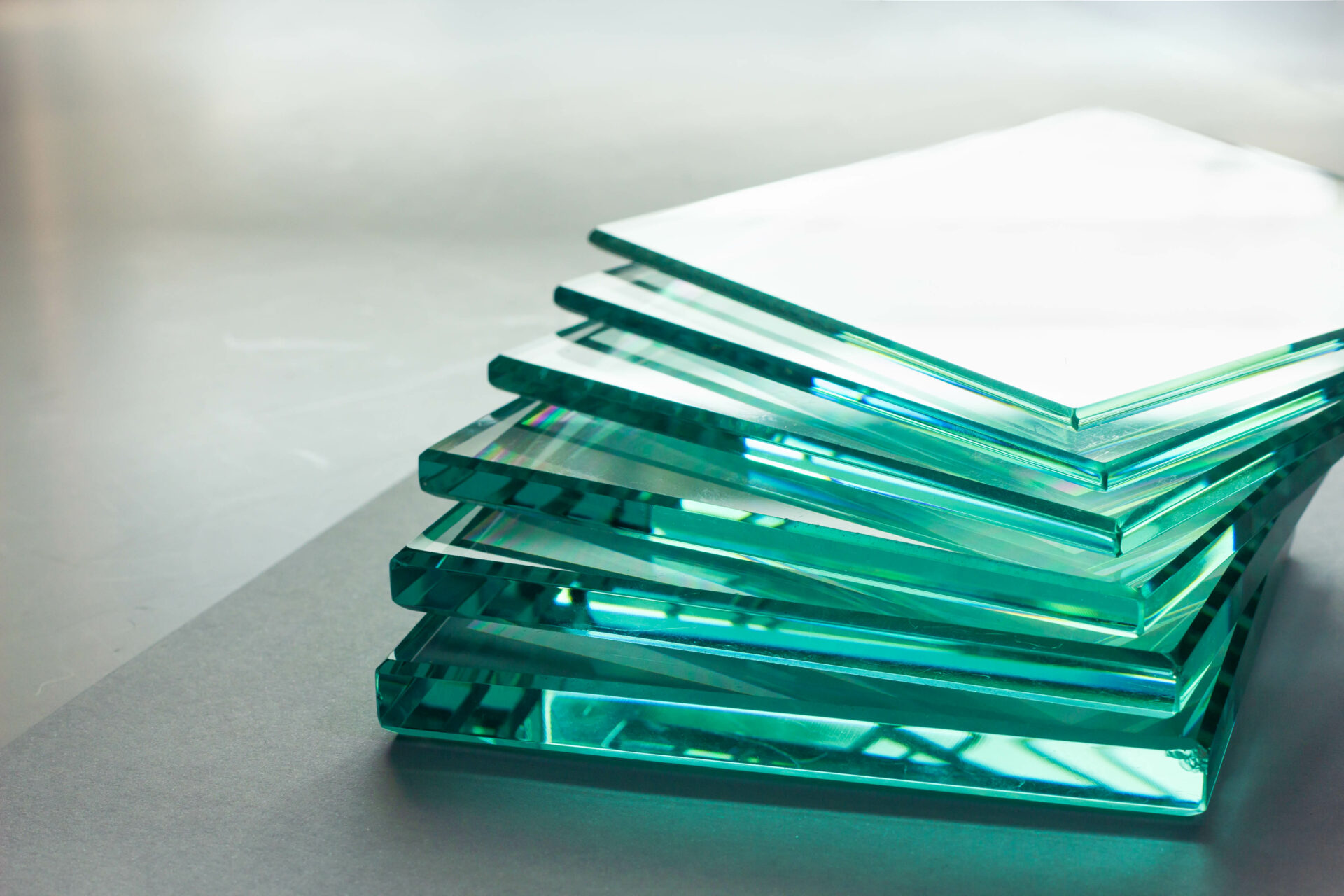

Marine environments present some of the harshest conditions for glazing systems. Constant exposure to saltwater and intense UV radiation can rapidly degrade glass and frame materials. For boat manufacturers and marine equipment designers, protecting marine industry glass from these destructive forces is essential to ensure passenger safety, maintain visibility, and preserve the vessel’s structural integrity throughout its operational lifetime.
Understanding the specific mechanisms of salt corrosion and UV damage allows marine professionals to make informed decisions about glazing materials, protective coatings, and maintenance protocols. Modern boat glazing solutions combine advanced materials science with proven engineering practices to deliver long-lasting protection against marine environmental challenges.
Why Salt Corrosion Threatens Marine Glass Systems
Salt corrosion attacks marine glazing systems through multiple pathways, creating both immediate and long-term structural concerns. When saltwater contacts glass surfaces, it leaves behind crystalline deposits that act as abrasive particles, gradually creating microscopic scratches that compromise optical clarity and structural strength.
The corrosion process accelerates when salt penetrates frame materials and sealing compounds. Aluminium frames, while naturally corrosion-resistant, can develop galvanic corrosion when in contact with dissimilar metals in the presence of saltwater electrolytes. This electrochemical reaction weakens frame integrity and creates pathways for water infiltration around glazing seals.
Temperature cycling compounds the problem significantly. As marine vessels move between different climate zones, thermal expansion and contraction create stress points where salt deposits concentrate. These stress concentrations become focal points for crack initiation, particularly in marine fire safety glass, where structural integrity is paramount for emergency evacuation routes.
What Makes UV Radiation Destructive to Marine Glazing
Ultraviolet radiation poses a dual threat to marine glazing systems by degrading both glass and frame materials through photochemical processes. High-energy UV photons break down polymer chains in glazing seals and gaskets, causing them to become brittle and lose their sealing properties over time.
Glass itself experiences UV-induced stress through thermal cycling and photochemical reactions with surface contaminants. While quality marine glass is formulated to resist UV degradation, prolonged exposure can cause colour shifts in tinted glazing and reduce the effectiveness of specialized coatings designed for glare reduction or heat rejection.
The marine environment intensifies UV exposure through reflection from water surfaces, effectively doubling the radiation dose compared to land-based applications. This reflected UV radiation approaches glazing from multiple angles, making it impossible to shield completely without compromising visibility. Marine sliding windows face particular challenges, as their moving components experience concentrated UV exposure at seal interfaces during operation.
Advanced Coating Technologies for Marine Glass Protection
Modern protective coatings provide the first line of defense against salt corrosion and UV damage through engineered surface treatments that create barrier layers on glass substrates. Hydrophobic coatings reduce water adhesion, preventing salt accumulation and making routine cleaning more effective at removing corrosive deposits.
Anti-reflective and UV-filtering coatings serve dual purposes by reducing glare for improved visibility while blocking harmful radiation that degrades underlying materials. These coatings typically incorporate metal oxides or ceramic particles that selectively filter UV wavelengths without affecting visible light transmission.
Self-cleaning photocatalytic coatings represent an advanced approach that uses titanium dioxide particles to break down organic contaminants when exposed to UV light. This technology reduces maintenance requirements while providing continuous surface protection against biological fouling that can accelerate corrosion processes.
Coating Application and Durability Considerations
Proper coating application requires controlled environmental conditions and surface preparation to ensure optimal adhesion and performance. Marine-grade coatings must withstand thermal shock from rapid temperature changes, as well as mechanical stress from vessel movement and vibration.
Coating thickness is critical for balancing protection with optical clarity. Excessive coating thickness can create internal stress that leads to delamination, while insufficient coverage leaves vulnerable areas exposed to environmental attack.
Selecting Corrosion-Resistant Frame Materials and Sealing Solutions
Aluminium alloys specifically formulated for marine applications provide the optimal combination of strength, weight, and corrosion resistance for glazing frames. Marine-grade aluminium incorporates magnesium and silicon additions that enhance natural oxide layer formation, creating a self-healing protective barrier against salt corrosion.
Frame design must account for drainage and ventilation to prevent salt accumulation in critical areas. Weep holes and drainage channels direct water away from glazing seals, while proper frame geometry minimizes areas where salt deposits can concentrate and cause localized corrosion.
Sealing materials require careful selection based on their chemical compatibility with marine environments. EPDM rubber and silicone-based sealants offer superior resistance to saltwater and UV radiation compared to conventional materials, maintaining flexibility and sealing performance throughout extended service intervals.
Gasket and Hardware Considerations
Glazing gaskets must accommodate thermal movement while maintaining watertight seals under dynamic loading conditions. Multi-durometer gasket designs provide firm compression for sealing while allowing controlled movement during vessel operation.
Hardware selection focuses on materials that resist galvanic corrosion when in contact with aluminium frames. Stainless steel fasteners and bronze hardware minimize electrochemical reactions that can compromise frame integrity over time.
Preventive Maintenance Strategies for Long-Term Glass Protection
Systematic cleaning protocols form the foundation of effective marine glazing maintenance by removing salt deposits before they can cause permanent damage. Freshwater rinsing immediately after saltwater exposure prevents crystallization and reduces the abrasive action of dried salt particles during subsequent cleaning operations.
Regular inspection schedules should focus on early detection of seal degradation, frame corrosion, and coating wear. Visual inspection techniques can identify problem areas before they progress to structural concerns, allowing for targeted maintenance interventions that extend service life.
Protective treatments such as wax applications and specialized marine cleaners provide additional protection between major maintenance intervals. These treatments create temporary barrier layers that supplement permanent protective coatings while removing contaminants that could accelerate degradation processes.
Professional assessment and maintenance planning ensure that glazing systems receive appropriate care based on their specific operating environment and usage patterns. Working with experienced marine glazing specialists helps vessel operators develop maintenance protocols that balance protection requirements with operational efficiency. For comprehensive marine glazing solutions and maintenance guidance, contact our marine glazing experts to discuss your specific vessel requirements and environmental challenges.