

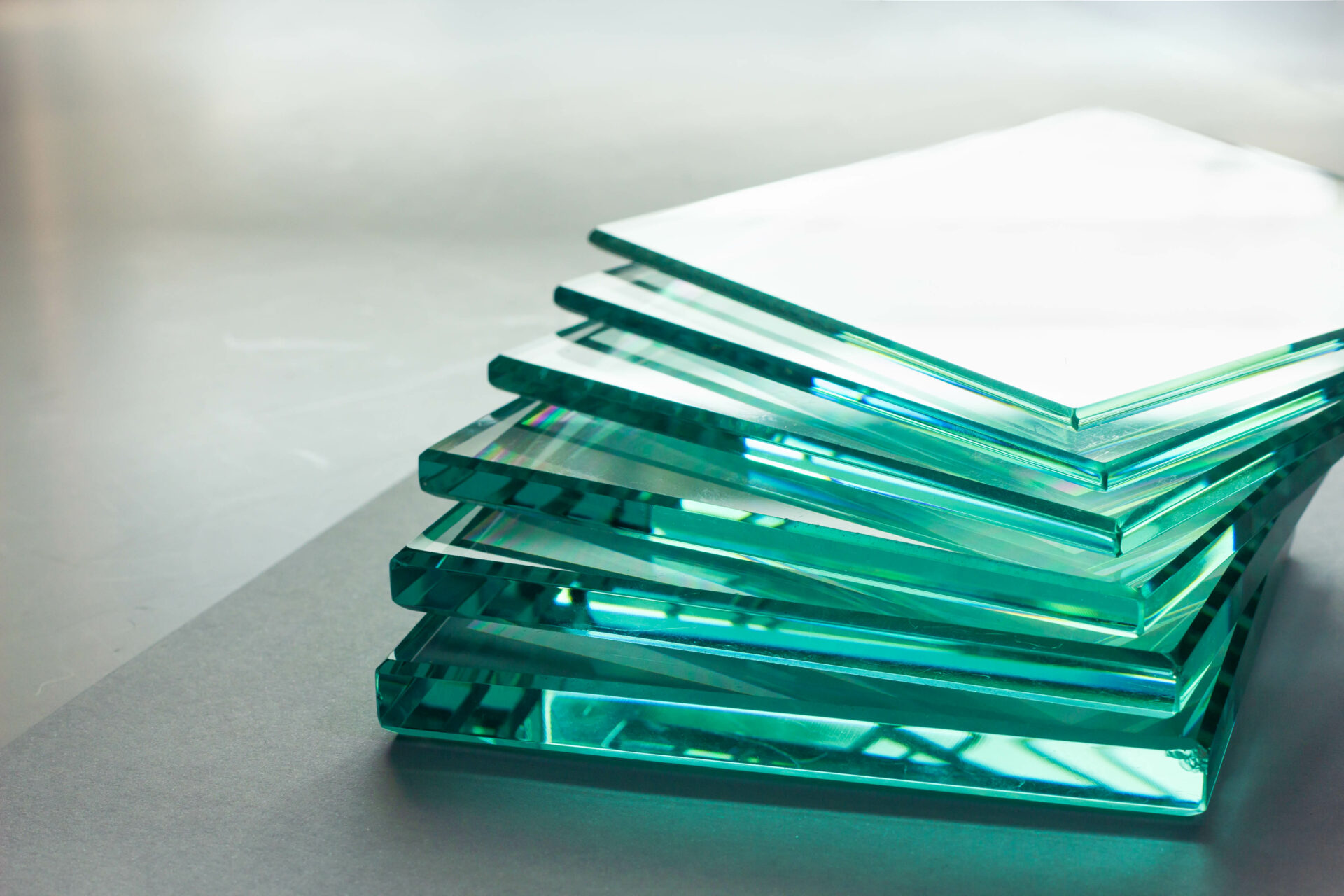
Rail vehicle glazing safety testing involves rigorous mechanical, environmental, and durability assessments to ensure windows meet strict international standards. These tests evaluate impact resistance, fire safety, optical quality, and long-term performance under harsh operational conditions. Manufacturers follow standardised protocols including EN 15152 to verify that glazing systems protect passengers whilst withstanding decades of demanding raideliikenne service.
What safety standards must rail vehicle glazing meet?
Rail vehicle glazing must comply with EN 15152, the primary European standard governing railway rolling stock windows and windscreens. This standard establishes comprehensive requirements for mechanical strength, fire behaviour, optical properties, and environmental resistance. Additional regulations such as UIC 651 and national railway authority specifications may apply depending on the operating region and vehicle type.
These standards exist to protect passengers and crew from multiple hazards. Impact resistance requirements prevent injuries from flying debris, vandalism, and collision events. Fire safety specifications ensure glazing does not contribute to flame spread or toxic smoke production during emergencies. Optical quality standards maintain clear visibility for operators whilst preventing distortion that could cause eye strain or safety risks.
The standards also address practical operational concerns specific to raideliikenne environments. Thermal performance requirements ensure passenger comfort across varying climates. Acoustic specifications reduce noise transmission from track and external sources. Weathering resistance standards guarantee long-term clarity and structural integrity despite continuous exposure to UV radiation, temperature extremes, and environmental pollutants throughout the vehicle’s service life.
How is impact resistance tested for train windows and glazing?
Impact resistance testing involves projecting standardised objects at glazing samples at specified velocities to simulate real-world threats. The GMRT 2100 test uses a 1 kg steel ball launched at speeds up to 250 km/h to verify that glazing prevents penetration from ballast stones and other track debris. Lower-energy tests assess vandalism resistance using smaller projectiles that simulate thrown objects.
Test parameters vary based on glazing location and vehicle type. Windscreens face the most demanding requirements, often requiring resistance to multiple impacts without penetration. Side windows undergo moderate impact testing appropriate for their exposure level. Each test specifies exact projectile mass, impact velocity, and allowable damage levels. Pass criteria typically permit cracking but prohibit complete penetration or dangerous fragment ejection.
We conduct these assessments on representative samples that match production specifications exactly. Temperature conditioning precedes testing to evaluate performance under both extreme cold and heat. Multiple impact points are tested on each sample to identify potential weak spots. The results inform material selection and lamination configurations that ensure reliable protection throughout the glazing system’s operational life in demanding raideliikenne applications.
What environmental and durability tests do rail glazing systems undergo?
Environmental testing subjects glazing to accelerated ageing cycles that simulate decades of operational exposure within weeks. Temperature cycling alternates between extreme heat and cold, typically ranging from -40°C to +80°C, to verify seal integrity and prevent delamination. Humidity chambers maintain 95% relative humidity at elevated temperatures to assess moisture resistance and adhesive performance under tropical conditions.
UV radiation testing uses specialised lamps that replicate years of sunlight exposure. This assessment identifies potential yellowing, hazing, or mechanical degradation of interlayer materials. Chemical resistance tests expose glazing edges and surfaces to cleaning agents, de-icing fluids, diesel fuel, and other substances encountered in railway operations. Salt spray testing evaluates aluminium frame corrosion resistance, particularly critical for coastal raideliikenne routes.
Weathering protocols combine multiple stressors simultaneously to replicate real service conditions more accurately. Samples undergo repeated cycles of UV exposure, temperature extremes, humidity, and mechanical stress. We measure optical transmission, haze levels, and bond strength before and after exposure to quantify performance degradation. These comprehensive tests ensure that glazing maintains safety-critical properties and visual clarity throughout its intended service life, supporting the long-term reliability that railway operators require from their rolling stock investments.