

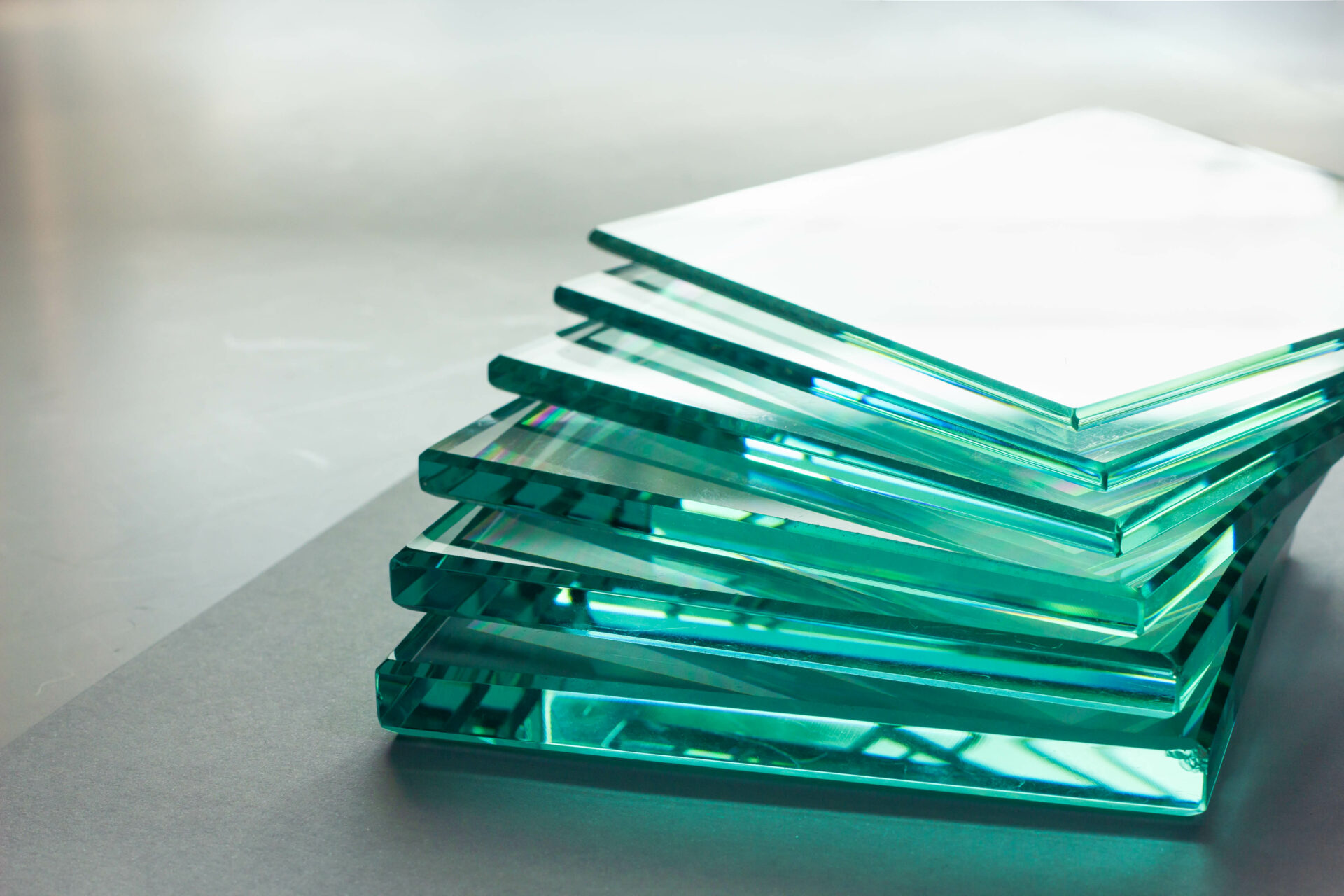
Impact resistance in train windows prevents object penetration through a multi-layered approach combining laminated glass construction with interlayer materials that absorb energy and hold fragments together. When an object strikes the window, the outer glass may crack, but the flexible interlayer maintains the barrier’s integrity, preventing penetration into the passenger compartment. This protective system, supported by engineered aluminium framing, ensures passenger safety in raideliikenne environments where high-speed debris and projectiles pose constant risks.
What makes train windows impact resistant?
Train windows achieve impact resistance through laminated glass construction, where multiple glass layers are bonded with a tough plastic interlayer, typically polyvinyl butyral (PVB). This multi-layer assembly creates a protective barrier that maintains structural integrity even when the outer glass layer sustains damage. The construction differs fundamentally from standard glazing by prioritizing penetration prevention over mere crack resistance.
Tempered glass often forms the outer layers of railway glazing assemblies. This heat-treated material is four to five times stronger than standard annealed glass, providing the first line of defence against impact events. When combined with lamination, tempered glass offers exceptional resistance to both thermal stress and mechanical shock, conditions frequently encountered in raideliikenne applications where temperature fluctuations and vibration are constant factors.
The aluminium framing system plays an equally critical role in impact resistance. We engineer our frames to distribute impact forces across the entire glazing assembly rather than concentrating stress at mounting points. The frame’s structural integrity ensures that the glass remains properly supported during impact events, preventing edge failures that could compromise the protective barrier. Proper frame design also accounts for the thermal expansion differences between glass and metal, maintaining consistent support across varying operational conditions.
Our approach to railway glazing considers the complete assembly as an integrated protective system. The frame profiles are designed with sufficient depth and strength to accommodate the thickness of laminated safety glass whilst providing secure mounting that withstands the vibration and dynamic loads characteristic of rail transport. This holistic design philosophy ensures that both glass and frame contribute to the overall impact resistance performance.
How does laminated glass prevent objects from penetrating train windows?
Laminated glass prevents penetration through its interlayer material, which holds glass fragments in place when the outer layer cracks. Upon impact, the flexible interlayer absorbs and redistributes energy across the entire surface area, transforming what would be a catastrophic failure into a controlled damage pattern. The glass may spiderweb with cracks, but the interlayer maintains a continuous barrier that stops objects from passing through.
The mechanics of this protection involve energy absorption and distribution. When a projectile strikes the window, the outer glass layer absorbs initial impact energy by cracking. The interlayer then stretches and deforms, dissipating remaining energy whilst maintaining adhesion to both glass layers. This flexible response prevents the brittle shattering that would create openings for penetration. The interlayer’s elasticity allows it to deform significantly without tearing, creating a resilient barrier even under severe impact conditions.
Understanding the distinction between cracking and penetration is essential for railway safety. A window can sustain substantial visible damage whilst still performing its protective function. The outer glass may crack extensively, creating a dramatic appearance, but as long as the interlayer remains intact, no penetration occurs. This characteristic is particularly valuable in raideliikenne applications where maintaining cabin pressurisation and preventing injury from flying debris are paramount concerns.
The interlayer thickness and material properties directly influence penetration resistance. We specify interlayer materials based on the specific threat profile for each railway application. Thicker interlayers provide greater resistance to sharp objects and higher-energy impacts, whilst specialised interlayer formulations can enhance performance under extreme temperature conditions. This customisation ensures that glazing assemblies meet the precise safety requirements of different railway environments.
What safety standards govern impact resistance in railway glazing?
Railway glazing impact resistance is primarily governed by EN 15152, the European standard specifying technical requirements for railway vehicle glazing. This standard defines performance criteria for various impact scenarios, including projectile strikes and vandalism attempts. Compliance ensures that glazing assemblies provide consistent protection across different railway applications, from high-speed intercity trains to urban trams operating in more vulnerable environments.
Testing methodologies under these standards involve controlled impact scenarios that simulate real-world threats. Projectile impact tests launch objects of specified mass and shape at defined velocities to verify that glazing prevents penetration. Ball drop tests assess resistance to blunt force impacts from various heights. These standardised procedures allow manufacturers and operators to compare performance objectively and select appropriate glazing for specific operational contexts.
The GMRT 2100 testing requirement represents an additional stringent standard for raideliikenne applications. This specification addresses the particular challenges of railway environments, including high-speed operation where even small debris can achieve significant kinetic energy. Glazing that meets GMRT 2100 requirements has demonstrated resistance to flying objects that could be encountered during normal railway operations, from ballast stones thrown by passing trains to objects blown onto tracks.
We manufacture aluminium-framed glazing assemblies that meet these demanding standards through careful material selection and rigorous quality testing. Our manufacturing processes ensure consistent performance across production batches, which is particularly important for railway operators managing fleets where standardised components simplify maintenance and spare part provisioning. The combination of certified glass materials and properly engineered framing systems ensures that completed assemblies perform reliably throughout their service life, maintaining passenger safety even as vehicles accumulate operational hours in challenging conditions.