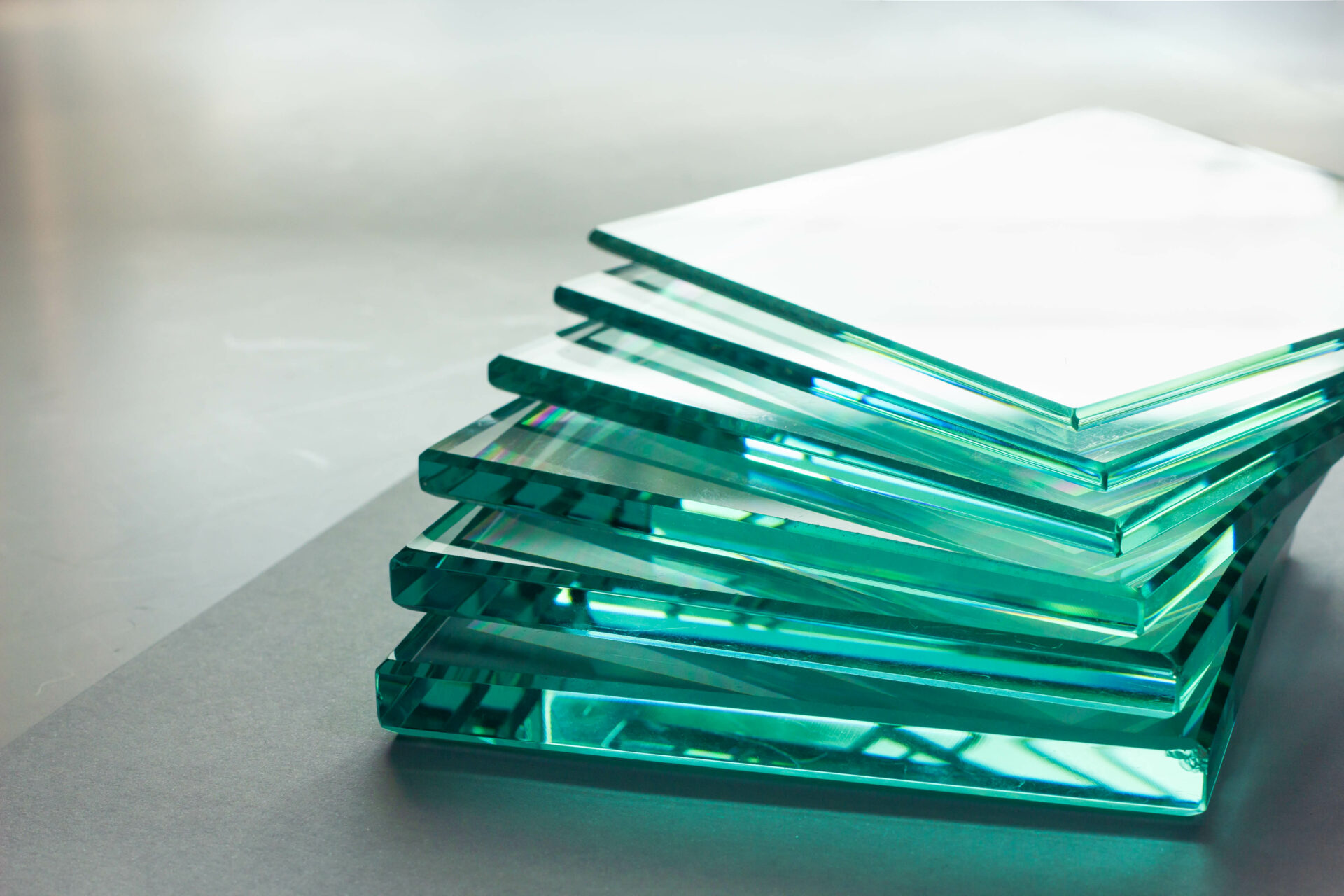

Low-E glass significantly enhances cabin comfort by reflecting infrared radiation while allowing natural light to pass through, creating more stable interior temperatures. This energy-efficient glazing technology reduces heat transfer, minimizes condensation, and improves overall thermal comfort in marine vessels, transport vehicles, and enclosed workspaces. Advanced glazing solutions address common cabin environment challenges through specialized coating technology.
What is low-E glass and how does it work in cabin environments?
Low-E glass features an ultra-thin metallic coating that reflects up to 90% of infrared radiation while maintaining excellent visible light transmission. The low-emissivity coating acts as a thermal barrier, preventing heat from escaping during cold conditions and blocking excessive heat gain during warm weather.
In cabin environments such as boats, buses, and transport vehicles, this technology proves particularly valuable due to the enclosed nature of these spaces. The coating works by selectively filtering different wavelengths of light, allowing beneficial natural light to enter while reflecting heat-generating infrared radiation back towards its source.
Marine glazing applications benefit enormously from low-E technology, as constant exposure to sun and water creates challenging thermal conditions. Transport glazing in buses and trains experiences similar benefits, where passenger comfort depends on maintaining stable interior temperatures despite varying external conditions. The coating can be applied to various glass types, including toughened safety glass and double-glazed units, making it adaptable to different cabin requirements.
How does energy-efficient glazing reduce condensation and temperature fluctuations?
Energy-efficient glazing reduces condensation by maintaining warmer interior glass surfaces and minimizing thermal bridging through the glazing system. The thermal insulation properties prevent cold spots where moisture typically condenses, while advanced frame designs eliminate thermal bridges that transfer heat or cold.
Temperature fluctuations decrease significantly because the glazing system creates a more consistent thermal envelope around the cabin space. Double glazing with low-E coatings provides an insulating air gap that buffers against external temperature changes. This thermal stability reduces the workload on heating and cooling systems, creating more consistent interior conditions.
Moisture control mechanisms work through multiple layers of protection. The warm interior glass surface temperature prevents water vapour from condensing, while proper sealing systems prevent humid exterior air from entering the cabin space. Advanced glazing solutions can include heated glass options for extreme conditions, ensuring clear visibility and preventing ice formation on critical viewing areas.
What comfort benefits do passengers and crew experience with low-E glass installations?
Passengers and crew experience significantly improved thermal comfort through reduced hot and cold spots near glazed areas. Low-E glass installations eliminate uncomfortable drafts and radiant heat transfer that can make seating areas near windows unpleasant, creating more usable cabin space throughout.
Reduced glare represents another major comfort improvement, as the selective light transmission properties of energy-efficient glass filter harsh sunlight while maintaining clear visibility. This proves especially important in marine vessels and transport applications where visual comfort affects both safety and passenger satisfaction.
Climate control efficiency improves substantially with energy-efficient glazing, as heating and cooling systems work more effectively in thermally stable environments. The reduced energy requirements translate to quieter operation of climate control equipment and more consistent air temperatures throughout the cabin space.
Enhanced overall user experience extends beyond basic comfort to include improved acoustic properties in many energy-efficient glazing systems. Double glazing configurations provide additional sound insulation, creating quieter interior environments that reduce fatigue during extended journeys. We specialize in developing custom glazing solutions that maximize these comfort benefits while meeting the demanding durability requirements of marine and transport applications.