

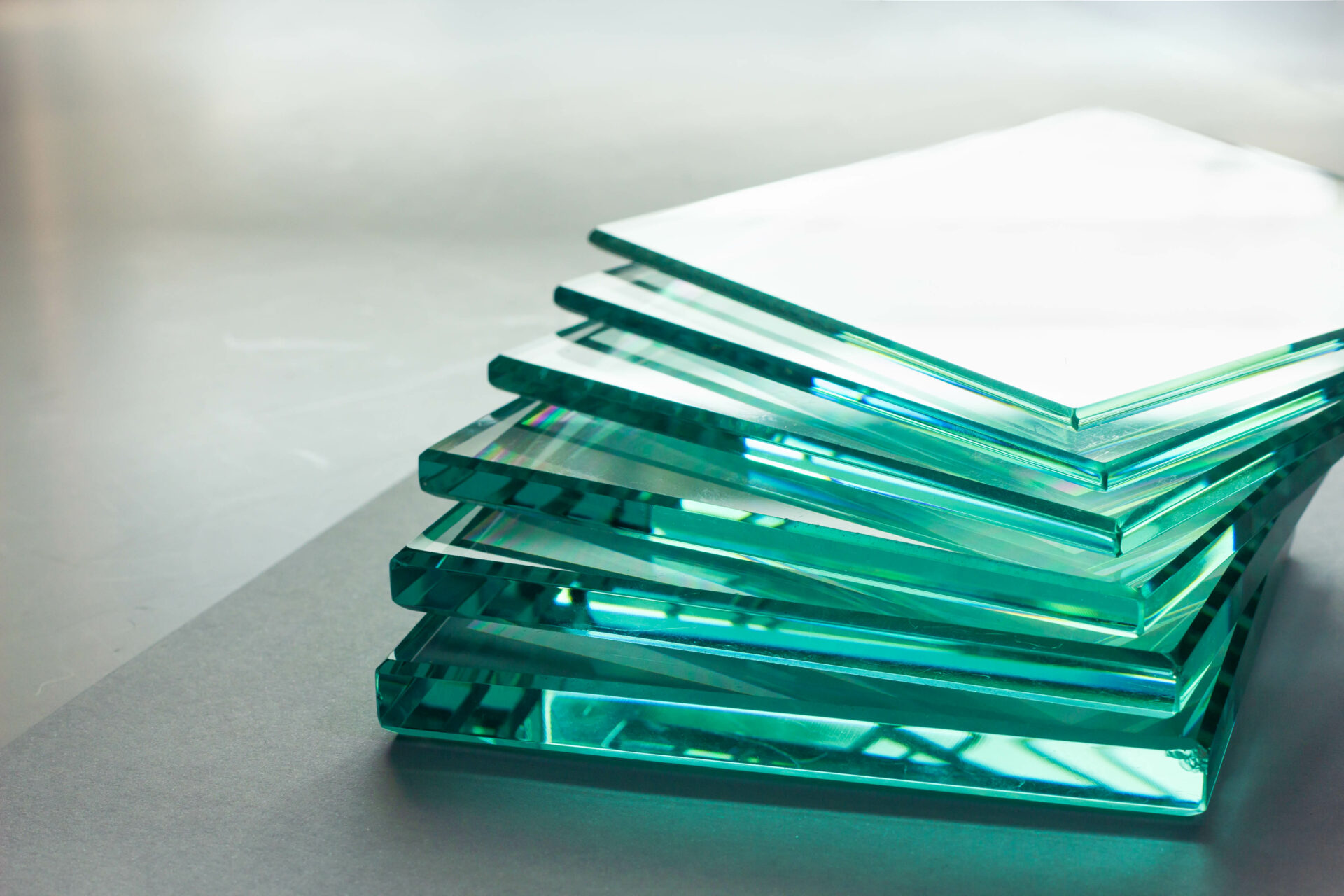
Rail vehicle glazing directly supports sustainability goals by reducing energy consumption, extending service life, and enabling material recovery. Modern glazing systems with advanced thermal properties lower heating and cooling demands throughout a train’s operational life, whilst durable aluminium frames minimise replacement frequency and support circular economy principles. Quality glazing solutions for raideliikenne contribute to reduced carbon emissions, improved resource efficiency, and long-term environmental responsibility across the transport sector.
Why does glazing matter for rail transport sustainability?
Glazing systems play a crucial role in rail transport sustainability because they directly affect energy consumption, passenger comfort, and the overall environmental footprint of trains and trams throughout their service life. Windows and glass assemblies influence heating and cooling demands, structural weight, and maintenance requirements, making them essential components in achieving long-term sustainability targets.
The connection between glazing and sustainability extends beyond immediate energy savings. Well-designed glazing systems maintain consistent interior temperatures, reducing the workload on climate control systems regardless of external weather conditions. This thermal stability translates to lower energy consumption during both winter heating and summer cooling, directly reducing the carbon emissions associated with operating rail vehicles.
Durability represents another critical sustainability factor. Quality glazing systems withstand the demanding conditions of raideliikenne, including vibration, pressure changes, and environmental exposure. When glazing assemblies maintain their performance over extended service periods, operators avoid frequent replacements, reducing material consumption and the environmental impact of manufacturing and installing new units. We design our aluminium-framed glazing solutions to deliver exceptional longevity, supporting operators’ sustainability commitments through reduced lifecycle environmental impact.
How does energy-efficient glazing reduce rail vehicle operating costs?
Energy-efficient glazing reduces rail vehicle operating costs by minimising thermal transfer between interior and exterior environments, which directly lowers heating and cooling energy demands. Double glazing and specialised coatings create effective thermal barriers that maintain passenger comfort whilst consuming significantly less energy throughout the vehicle’s operational life, translating to measurable cost savings and reduced carbon emissions.
The thermal insulation properties of modern rail glazing work continuously across all seasons. During winter operations, insulated glazing prevents interior heat from escaping, reducing the energy required to maintain comfortable temperatures for passengers. In summer, the same glazing systems block external heat from entering the vehicle, lowering air conditioning demands and associated energy consumption.
These energy savings accumulate substantially over a rail vehicle’s service life, which often spans several decades. Operators benefit from reduced fuel or electricity costs whilst simultaneously decreasing their environmental footprint. The initial investment in quality glazing systems pays dividends through consistent operational savings and improved sustainability performance.
We incorporate advanced glazing technologies into our raideliikenne solutions, offering double glazing options and specialised glass treatments that optimise thermal performance. Our approach considers the specific operational patterns of each vehicle type, ensuring glazing specifications align with actual usage demands. This attention to thermal efficiency supports both cost reduction and environmental responsibility without compromising passenger comfort or safety standards.
What makes aluminium-framed rail glazing an environmentally responsible choice?
Aluminium-framed rail glazing represents an environmentally responsible choice because aluminium is highly recyclable, exceptionally durable, and supports circular economy principles through material recovery at end-of-life. Quality aluminium frames withstand harsh operating conditions for decades, reducing replacement frequency and the environmental burden of manufacturing new components, whilst maintaining structural integrity and performance throughout their service life.
The recyclability of aluminium stands as one of its most significant environmental advantages. Aluminium can be recycled repeatedly without losing its structural properties or performance characteristics. When rail vehicles reach the end of their operational life, aluminium frames can be recovered and reprocessed into new products, dramatically reducing the need for primary aluminium production and its associated environmental impact.
Durability contributes equally to environmental responsibility. Our aluminium frames undergo anodising and powder coating treatments that protect against corrosion and wear, ensuring exceptional longevity even in demanding raideliikenne environments. This extended service life means fewer replacements over a vehicle’s operational period, reducing material consumption and the environmental costs of manufacturing, transport, and installation.
We maintain our commitment to sustainability through careful material selection and processing methods. Our aluminium profiles are engineered to balance strength, weight, and longevity, creating frames that perform reliably across decades of service. When refurbishment becomes necessary, we offer spare part support that extends the useful life of existing installations, replacing only worn components rather than entire assemblies. This approach minimises waste whilst maintaining the high performance standards essential for rail transport applications.
The circular economy benefits extend beyond simple recycling. By designing glazing systems that support refurbishment and component replacement, we enable operators to maintain their vehicles sustainably. Glass units can be replaced within existing frames, locking mechanisms can be updated, and sealing elements can be renewed, all without discarding the durable aluminium structure. This modular approach to maintenance aligns with broader sustainability goals whilst delivering practical operational benefits for rail transport operators.