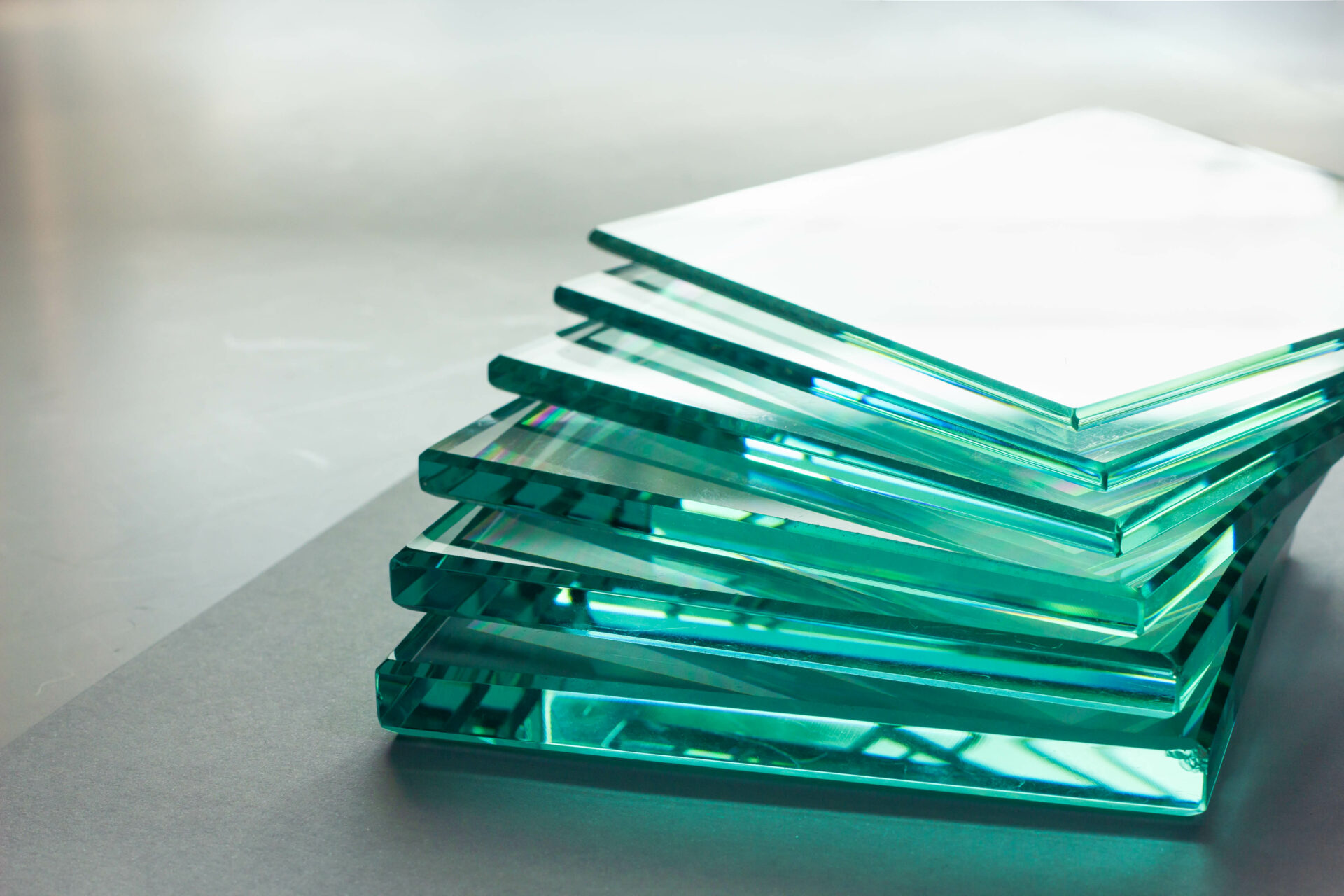

Marine environments present unique challenges for glazing systems that go far beyond typical architectural applications. The combination of saltwater exposure, intense UV radiation, and constant vibration creates conditions that can rapidly degrade standard glass and frame materials. For boat manufacturers and vessel operators, understanding these environmental factors is crucial when selecting marine industry glass solutions that maintain structural integrity and optical clarity over extended periods.
Professional boat glazing solutions require specialized engineering to withstand these demanding conditions. The right protection system not only preserves the aesthetic appeal of vessel windows but also ensures passenger safety and long-term operational reliability. When marine glazing fails, the consequences extend beyond simple replacement costs to include potential safety hazards and operational downtime.
Why Marine Environments Accelerate Glass Degradation
Marine environments create a perfect storm of destructive forces that systematically attack both glass and frame materials. Salt spray carries chloride ions that penetrate microscopic surface imperfections, initiating corrosion processes that weaken structural bonds and compromise seal integrity.
UV radiation at sea level reaches intensities significantly higher than in terrestrial environments due to reflection from water surfaces. This concentrated exposure breaks down polymer chains in glazing compounds and causes thermal stress cycles that can lead to glass failure. The constant motion of vessels adds mechanical stress that amplifies these environmental effects.
Temperature fluctuations between day and night, combined with rapid changes when moving between waters of different temperatures, create expansion and contraction cycles that test every component of the glazing system. These conditions demand materials specifically engineered for marine applications rather than adapted from land-based solutions.
What Makes Aluminium Frames Superior for Marine Glass Protection
Aluminium frames provide exceptional corrosion resistance through the formation of a natural oxide layer that self-renews when exposed to oxygen. This passive protection system makes aluminium particularly well-suited for marine environments, where steel frames would quickly succumb to rust and deterioration.
The lightweight properties of aluminium reduce overall vessel weight while maintaining the structural strength necessary for large glazing installations. Modern marine aluminium profiles incorporate specialized alloys that enhance strength-to-weight ratios and improve resistance to stress corrosion cracking, which is common in saltwater environments.
The thermal expansion characteristics of aluminium closely match those of many modern glass types, reducing stress concentrations at the glass-to-frame interface. This compatibility minimizes the risk of thermal shock failures during rapid temperature changes encountered in marine operations.
Advanced Glass Technologies That Resist UV and Salt Damage
Modern marine fire safety glass incorporates multiple protective technologies that address specific marine challenges. Laminated safety glass combines multiple glass layers with specialized interlayers that maintain structural integrity even when cracked, preventing catastrophic failure in rough sea conditions.
Low-emissivity coatings applied to glass surfaces reflect infrared radiation while allowing visible light transmission, reducing heat buildup in vessel interiors. These coatings also provide additional UV protection that prevents degradation of interior materials and reduces glare for improved visibility.
Chemically strengthened glass undergoes ion-exchange treatments that create compressive stress layers on the surface. This process significantly increases impact resistance and thermal shock tolerance compared to standard annealed glass, making it ideal for applications requiring enhanced durability.
Heated glass systems prevent condensation and ice formation while providing defogging capabilities essential for maintaining visibility in challenging weather conditions. These systems integrate heating elements directly into the glass structure without compromising optical clarity or structural strength.
How Proper Sealing Systems Prevent Corrosion in Marine Applications
Effective sealing systems create multiple barriers against moisture and salt intrusion while accommodating the thermal and mechanical movements inherent in marine applications. Primary seals prevent direct water contact with frame interfaces, while secondary seals provide backup protection in the event of primary seal failure.
Modern marine sealants incorporate antifungal and antibacterial properties that prevent biological growth in seal cavities. These specialized formulations maintain elasticity over extended temperature ranges and resist degradation from UV exposure and chemical attack from cleaning agents.
Drainage systems integrated into frame designs allow controlled water evacuation while preventing standing water accumulation that accelerates corrosion. Properly designed drainage channels direct water away from critical seal areas and structural components.
Regular maintenance protocols ensure seal integrity throughout the glazing system’s service life. Professional inspection schedules identify potential seal failures before they compromise the overall protection system, preventing costly repairs and safety concerns.
Selecting the Right Marine Glass Protection System for Your Vessel
Vessel type and operational profile significantly influence glazing system requirements. Commercial fishing vessels require different protection levels than luxury yachts, with considerations for impact resistance, maintenance accessibility, and replacement part availability varying accordingly.
Operating environment factors, including typical sea conditions, geographic regions, and seasonal usage patterns, determine appropriate glass specifications and frame materials. Vessels operating in tropical waters face different challenges than those in Arctic conditions, requiring tailored material selections.
Professional consultation during the design phase helps identify potential issues before they become costly problems. We work closely with boat manufacturers to optimize glazing solutions for specific vessel designs, ensuring proper integration with hull structures and ventilation systems. Our experience with marine sliding windows and fixed installations allows us to recommend solutions that balance performance requirements with practical considerations.
Long-term support considerations include spare-part availability and maintenance requirements that affect operational costs over the glazing system’s service life. We maintain inventory support for our marine glazing products, ensuring replacement components remain available for years after initial installation. For manufacturers seeking reliable marine glazing solutions, professional consultation can help identify the optimal combination of materials and design features for specific vessel requirements.