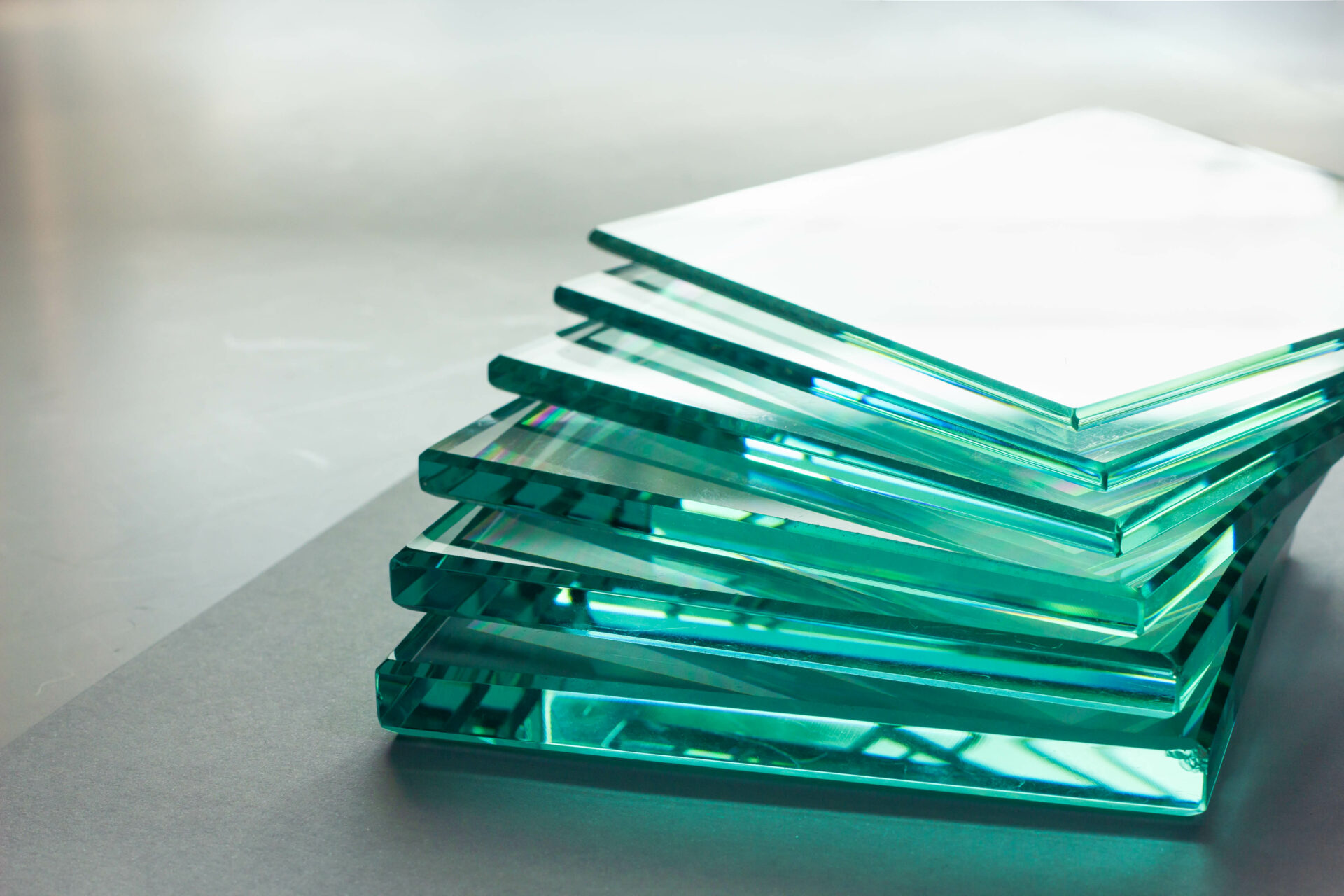

Marine environments present unique challenges for glazing materials. Constant exposure to saltwater, UV radiation, and extreme weather conditions can rapidly degrade standard glass solutions. The harsh marine environment demands specialized glazing that can withstand these conditions while maintaining optical clarity, structural integrity, and safety performance over extended periods.
Understanding the properties and performance characteristics of different marine industry glass options is crucial for boat manufacturers and marine engineers seeking long-term reliability. The choice among tempered glass, laminated glass, polycarbonate, and acrylic materials significantly affects vessel safety, maintenance requirements, and operational costs throughout the vessel’s lifecycle.
Why UV Degradation Threatens Marine Glazing Performance
UV radiation poses the most persistent threat to marine glazing systems, causing photochemical reactions that break down molecular bonds in glazing materials. This degradation manifests as yellowing, crazing, reduced optical clarity, and compromised structural integrity, which can lead to catastrophic failure in critical applications.
The marine environment intensifies UV exposure through multiple pathways, including direct solar radiation, reflection from water surfaces, and atmospheric scattering. Water reflection can increase UV exposure by up to 15%, while reduced atmospheric filtering at sea level means marine glazing experiences higher UV intensity than many terrestrial applications. This concentrated exposure accelerates polymer chain breakdown in plastic glazing materials and can cause thermal stress in glass systems.
Temperature cycling compounds the effects of UV damage, as repeated expansion and contraction create microfractures that allow UV penetration deeper into material substrates. These thermal stresses are particularly problematic for marine glazing applications, where materials must maintain watertight seals while accommodating structural movement during vessel operation.
Essential Properties of UV Resistant Marine Glass
Effective UV resistant marine glazing requires specific material properties that address both immediate performance needs and long-term durability requirements. The primary defense mechanism involves UV-absorbing additives or coatings that prevent harmful radiation from penetrating the glazing substrate while maintaining optical transparency.
Critical performance characteristics include UV transmission rates below 1% for wavelengths under 380 nanometers, impact resistance that meets marine safety standards, and thermal stability across temperature ranges from -30°C to +80°C. These specifications ensure the glazing maintains structural integrity under extreme conditions while protecting interior spaces and occupants from harmful radiation exposure.
Salt spray resistance is another essential property, as chloride corrosion can compromise glazing edge seals and frame interfaces. Marine-grade glazing materials must demonstrate resistance to salt spray exposure per ASTM B117 standards, maintaining seal integrity and preventing moisture infiltration that could lead to delamination or optical distortion.
Tempered Glass vs Laminated Glass for Marine Use
Tempered glass offers superior impact resistance and thermal stability compared to standard annealed glass, making it suitable for many marine applications where safety-glass performance is required. The tempering process creates compressive surface stresses that increase strength by 4–5 times while ensuring the glass breaks into small, relatively harmless fragments if failure occurs.
However, tempered glass provides limited UV protection without additional coatings or treatments. While the glass itself resists UV degradation, it offers minimal UV filtering for interior spaces unless specifically treated with UV-absorbing coatings. The tempering process also prevents post-manufacturing modifications, requiring precise specification during the design phase.
Laminated glass combines multiple glass layers with polymer interlayers that provide inherent UV-filtering capabilities while maintaining optical clarity. The polymer interlayer, typically polyvinyl butyral (PVB) or ethylene-vinyl acetate (EVA), blocks up to 99% of UV radiation while providing enhanced impact resistance and safety performance. When laminated glass fails, the polymer interlayer holds fragments together, preventing dangerous projectiles.
For marine fire safety glass applications, laminated configurations offer superior performance by maintaining barrier integrity even when exposed to extreme temperatures. The polymer interlayer provides additional thermal insulation, while the multilayer construction resists rapid temperature changes that could cause thermal-shock failure.
Polycarbonate and Acrylic Marine Glazing Alternatives
Polycarbonate glazing provides exceptional impact resistance, offering 200–300 times the impact strength of glass while weighing approximately 50% less. This weight advantage is particularly valuable for marine applications where vessel stability and fuel-efficiency considerations favor lightweight solutions. However, standard polycarbonate exhibits poor UV resistance, requiring specialized UV-stabilized grades or protective coatings for marine use.
UV-stabilized polycarbonate incorporates additives such as benzotriazole or hindered amine light stabilizers (HALS) that absorb or neutralize UV radiation. These treatments extend service life significantly but add cost and may affect optical properties over time. The material’s coefficient of thermal expansion also requires careful consideration in frame design to accommodate dimensional changes.
Acrylic glazing offers better inherent UV resistance than polycarbonate while maintaining excellent optical clarity and weather resistance. Cast acrylic demonstrates superior surface hardness and scratch resistance compared to extruded versions, though both types provide adequate UV protection for most marine applications. Acrylic’s lower impact resistance compared to polycarbonate limits its use in high-risk areas but makes it suitable for marine sliding windows and other applications where weight reduction and optical quality are priorities.
Both plastic alternatives require careful edge sealing and frame design to prevent moisture infiltration and stress concentration. Their higher thermal expansion rates compared to glass necessitate flexible mounting systems that accommodate dimensional changes without compromising weatherproofing.
Selecting Optimal Marine Glazing for Harsh Environments
Selecting optimal marine glazing requires a systematic evaluation of operational requirements, environmental conditions, and performance priorities specific to each vessel application. The decision matrix must balance factors including safety requirements, weight constraints, optical performance, maintenance accessibility, and total lifecycle costs, rather than focusing solely on initial material costs.
Critical selection criteria include exposure-zone classification, with windward-facing glazing requiring higher impact resistance and UV protection than protected interior applications. Vessel type and operational profile also influence material selection, as high-speed craft experience greater dynamic loads while offshore vessels face more severe environmental exposure. Safety regulations may mandate specific glazing types for certain applications, particularly in commercial marine environments.
For demanding applications requiring maximum durability and performance, we recommend a thorough design-phase consultation to optimize glazing specifications for specific operational requirements. Our experience with marine glazing systems enables us to provide guidance on material selection, frame design, and installation considerations that prevent common failure modes and reduce long-term maintenance requirements.
Integrating glazing systems with vessel structures requires careful attention to thermal expansion, structural loads, and weatherproofing details. Professional consultation helps identify potential issues during the design phase, when modifications are cost-effective, rather than addressing problems after installation, when solutions become expensive and disruptive. For complex marine glazing requirements, professional consultation ensures optimal material selection and system integration that deliver reliable long-term performance in harsh marine environments.