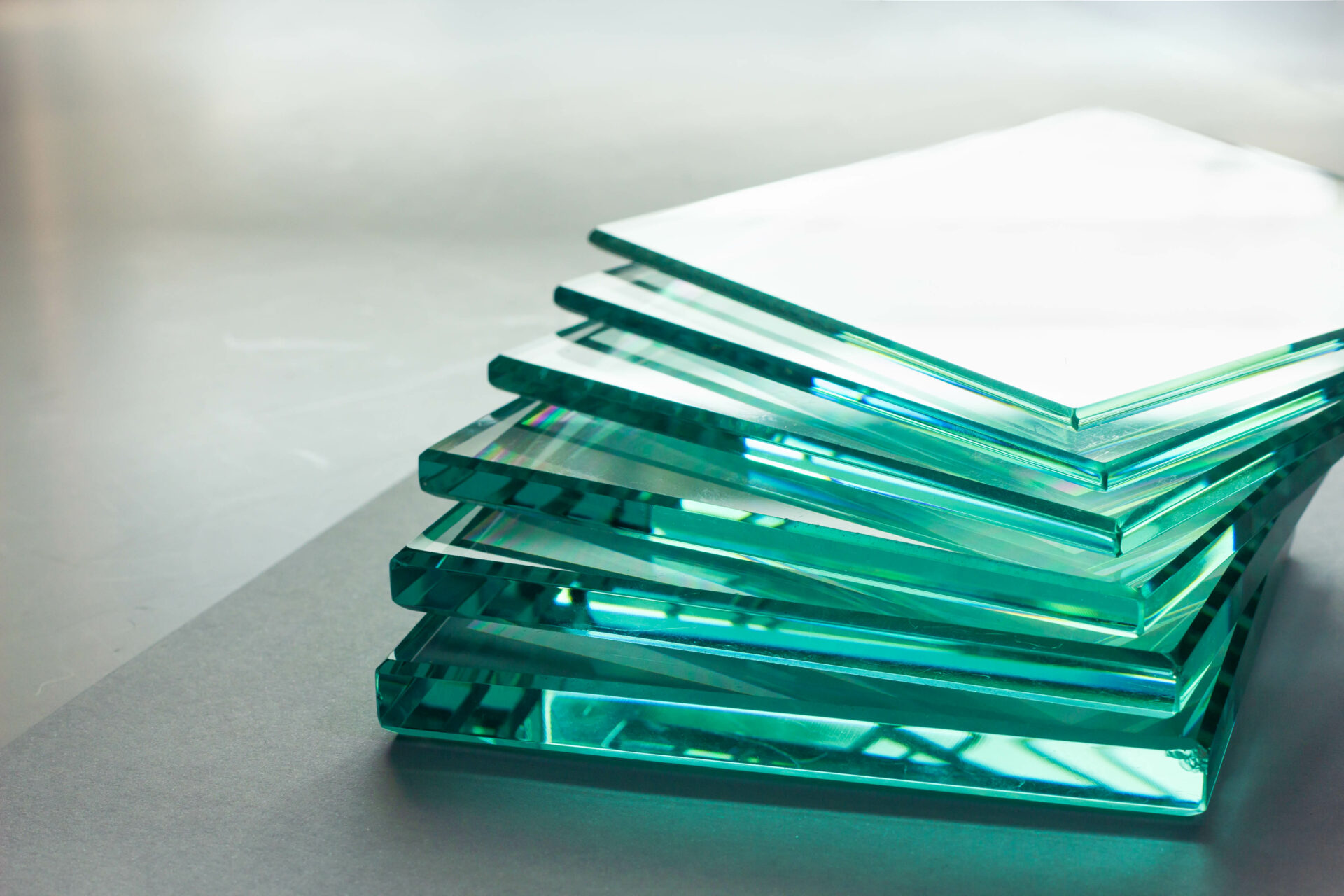

Double-glazing cabin windows provide superior insulation through two glass panes separated by an air- or gas-filled gap, dramatically reducing heat transfer and condensation issues. This technology offers significant energy savings, enhanced comfort, and improved durability for marine, transport, and industrial cabin applications. Understanding the specific benefits helps determine whether upgrading from single-glazed windows makes sense for your vessel or vehicle.
What exactly is double glazing and how does it work in cabin environments?
Double glazing consists of two glass panes separated by a sealed air gap that creates an effective thermal barrier, preventing heat transfer between interior and exterior cabin environments. The trapped air acts as insulation, while the sealed unit prevents moisture infiltration and maintains consistent thermal performance.
In cabin environments, this technology proves particularly valuable because confined spaces experience rapid temperature fluctuations. The sealed air gap typically measures 12–20 mm, creating sufficient insulation to maintain comfortable interior temperatures regardless of external conditions. Marine applications benefit especially from this design, as boat window insulation must withstand constant temperature variations between heated cabins and cold sea air.
The double-glazing system works by reducing three types of heat transfer: conduction through the glass, convection within the air gap, and radiation between surfaces. This makes double-glazing cabin windows significantly more effective than single-pane alternatives in maintaining stable interior climates while reducing energy consumption for heating and cooling systems.
Why does condensation become such a problem in single-glazed cabin windows?
Condensation forms on single-glazed cabin windows because the interior glass surface temperature drops below the dew point of humid cabin air, causing water vapour to condense into droplets. This occurs when warm, moisture-laden interior air meets the cold glass surface that directly conducts exterior temperatures.
Cabin environments naturally generate higher humidity levels through occupant breathing, cooking, and daily activities in confined spaces. Single glazing offers no thermal barrier, so the interior glass surface temperature closely matches exterior conditions. When exterior temperatures drop, the glass becomes a cold surface where warm cabin air immediately condenses.
This condensation creates multiple problems beyond visibility issues. Persistent moisture leads to mould growth, structural damage to window frames, and uncomfortable living conditions. Marine glazing benefits become apparent when considering that saltwater environments accelerate corrosion of metal components exposed to constant moisture. Double glazing eliminates most condensation by maintaining warmer interior glass surface temperatures through thermal separation.
How much energy can double glazing actually save in cabin heating and cooling?
Double glazing reduces energy consumption by minimising heat loss during cold conditions and decreasing cooling loads in warm weather through improved thermal efficiency. The insulating air gap prevents rapid heat transfer, allowing heating and cooling systems to maintain desired temperatures with less energy input.
The energy savings occur because double-glazed marine windows maintain more stable interior temperatures. Heating systems do not need to work as hard to compensate for heat loss through windows, while air conditioning systems face reduced heat gain from exterior sources. This improved efficiency extends equipment lifespan and reduces fuel consumption in marine applications where generator power is precious.
Energy benefits compound in harsh environments where temperature differentials are extreme. Cabin window upgrades to double glazing prove most valuable in applications with significant heating or cooling demands. The thermal barrier effect means interior temperatures remain stable longer after heating or cooling systems cycle off, reducing overall runtime and energy consumption while maintaining occupant comfort.
What makes marine-grade double glazing different from standard residential options?
Marine-grade double glazing features enhanced durability specifications, including vibration resistance, specialised sealing systems for harsh environments, safety-glass requirements, and custom sizing capabilities that standard residential glazing cannot match. These systems must withstand constant movement, saltwater exposure, and extreme weather conditions.
The primary differences include reinforced frame construction designed for vessel flex and vibration, while sealing systems use marine-grade materials resistant to saltwater corrosion. Boat glazing solutions require safety-glass specifications that prevent dangerous breakage during rough conditions. Standard residential units lack these critical safety and durability features.
Custom sizing capabilities prove essential because marine applications rarely match standard residential dimensions. We specialise in marine window efficiency through bespoke solutions that accommodate unique mounting requirements and challenging installation conditions. Our marine-grade systems include specialised drainage channels, reinforced mounting hardware, and tested sealing systems that maintain integrity under extreme conditions. Cabin comfort glazing requires this level of engineering to deliver reliable performance in demanding marine environments where failure is not an option.
Double glazing transforms cabin environments by eliminating condensation problems, improving energy efficiency, and enhancing overall comfort through superior thermal performance. Marine-grade systems provide the durability and safety features necessary for demanding applications where standard residential glazing would fail. When considering cabin window upgrades, the investment in properly engineered double glazing delivers long-term benefits in comfort, efficiency, and operational reliability.