

Rail vehicle glazing projects involve several interconnected cost factors that extend beyond basic materials. The primary drivers include specialized safety glass and aluminium frame specifications, mandatory testing and certification processes, custom engineering requirements, production volumes, and installation complexity. Understanding these elements helps operators and manufacturers plan realistic budgets whilst ensuring passenger safety and long-term durability in demanding raideliikenne environments.
What makes rail vehicle glazing different from standard window projects?
Rail vehicle glazing operates under fundamentally different conditions compared to architectural or automotive glass applications. These windows must withstand continuous vibration, extreme temperature fluctuations, potential impact from flying debris at high speeds, and rigorous safety standards specific to raideliikenne operations. The regulatory environment demands compliance with EN standards for railway applications, which govern everything from impact resistance to fire safety performance.
The operational environment creates unique stresses that standard glazing simply cannot handle. Train windows face constant mechanical stress from track vibration, pressure changes when passing other vehicles or entering tunnels, and exposure to harsh weather conditions across varying climates. These factors require engineered solutions that balance structural integrity with optical clarity and passenger comfort.
Safety requirements differentiate rail glazing most significantly. Windows must prevent penetration from objects whilst potentially serving as emergency exit points. This dual function demands careful design consideration that standard architectural glass never encounters. The aluminium frame systems must integrate securely with vehicle structures whilst allowing for controlled breakage or removal during emergencies.
Which material specifications drive up the cost of train windows?
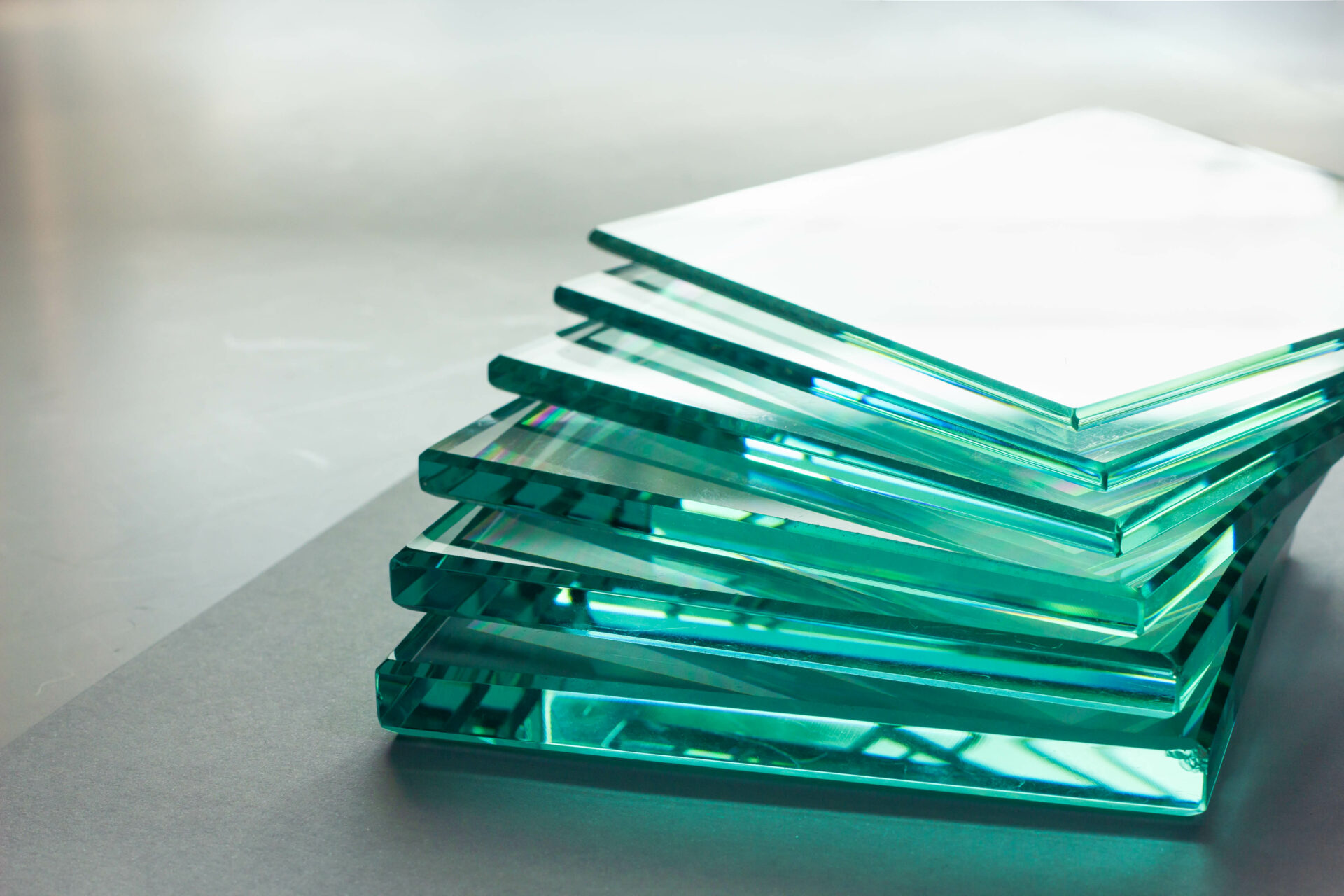
Glass type selection represents the most significant material cost factor in rail vehicle glazing. Laminated safety glass and toughened glass each serve specific purposes, with laminated variants offering superior impact resistance and security. Double glazing adds thermal and acoustic insulation for passenger comfort but increases both material costs and frame complexity. Thickness requirements vary based on vehicle type, operating speeds, and exposure levels.
Specialized coatings substantially affect project budgets. UV protection extends interior component lifespan and passenger comfort. Anti-scratch coatings maintain optical clarity throughout the glazing’s service life, reducing replacement frequency. Heated glass elements prevent condensation and ice formation in cold climates, requiring integrated electrical connections and control systems that add engineering complexity.
Aluminium frame profile specifications create another major cost variable. We maintain a library of over 100 profile types, yet many raideliikenne projects require custom profiles to match specific vehicle designs or retrofit applications. Profile complexity affects manufacturing costs, with intricate designs requiring specialized tooling. The surface treatment choice between anodising and powder coating influences long-term durability and maintenance requirements, with proper treatment ensuring exceptional lifespan even in corrosive environments.
How do testing and certification requirements impact rail glazing budgets?
Mandatory quality assurance processes add both time and cost to rail vehicle glazing projects, yet these investments ensure passenger safety and product longevity. Impact testing validates that glazing systems meet GMRT 2100 requirements, preventing penetration from flying objects. Fire safety certification confirms materials meet flame spread and smoke generation limits. Acoustic performance testing verifies that windows provide adequate sound insulation for passenger comfort during operation.
Weathering and durability tests simulate years of service conditions in compressed timeframes. These assessments evaluate how glazing systems respond to temperature cycling, humidity exposure, UV radiation, and chemical exposure from cleaning agents. The testing phase extends project timelines but identifies potential failures before installation, avoiding costly field replacements.
Compliance with EN standards for railway applications requires documented evidence of performance across multiple criteria. This documentation process involves coordination between manufacturers, testing laboratories, and certification bodies. For projects involving new profile designs or glass specifications, the certification timeline extends further. We work closely with clients from project outset to ensure designs incorporate proven solutions where possible, minimizing certification delays whilst meeting all safety requirements.
What project factors beyond materials affect rail glazing costs?
Custom design and engineering work significantly influences total project investment. Each raideliikenne vehicle type presents unique mounting requirements, dimensional constraints, and integration challenges. We provide design consultation to help clients avoid costly oversights in areas like drainage, seal design, and thermal expansion accommodation. This collaborative approach prevents expensive modifications during production or installation phases.
Production volume creates substantial cost variations through economies of scale. Whilst we maintain minimum order quantities for efficient manufacturing, we support small batch production for specialized projects or spare part requirements. This flexibility proves particularly valuable for refurbishment projects involving older vehicle types where maintaining parts availability ensures extended service life.
Installation complexity and vehicle downtime considerations affect overall project costs beyond the glazing components themselves. Retrofit scenarios often present greater challenges than new builds, requiring careful measurement, potential frame modifications, and coordination with vehicle maintenance schedules. Lead times for custom profiles or specialized glass specifications require advance planning to minimize operational disruption.
We also offer refurbishment services where existing frames receive new glass, sliding components, and locking mechanisms. This approach extends product lifespan cost-effectively whilst maintaining original vehicle aesthetics. Long-term maintenance planning influences total investment, with durable materials and quality construction reducing lifecycle costs despite higher initial expenditure. Our focus on longevity and spare part batch support ensures raideliikenne operators can maintain their fleets efficiently over decades of service.