

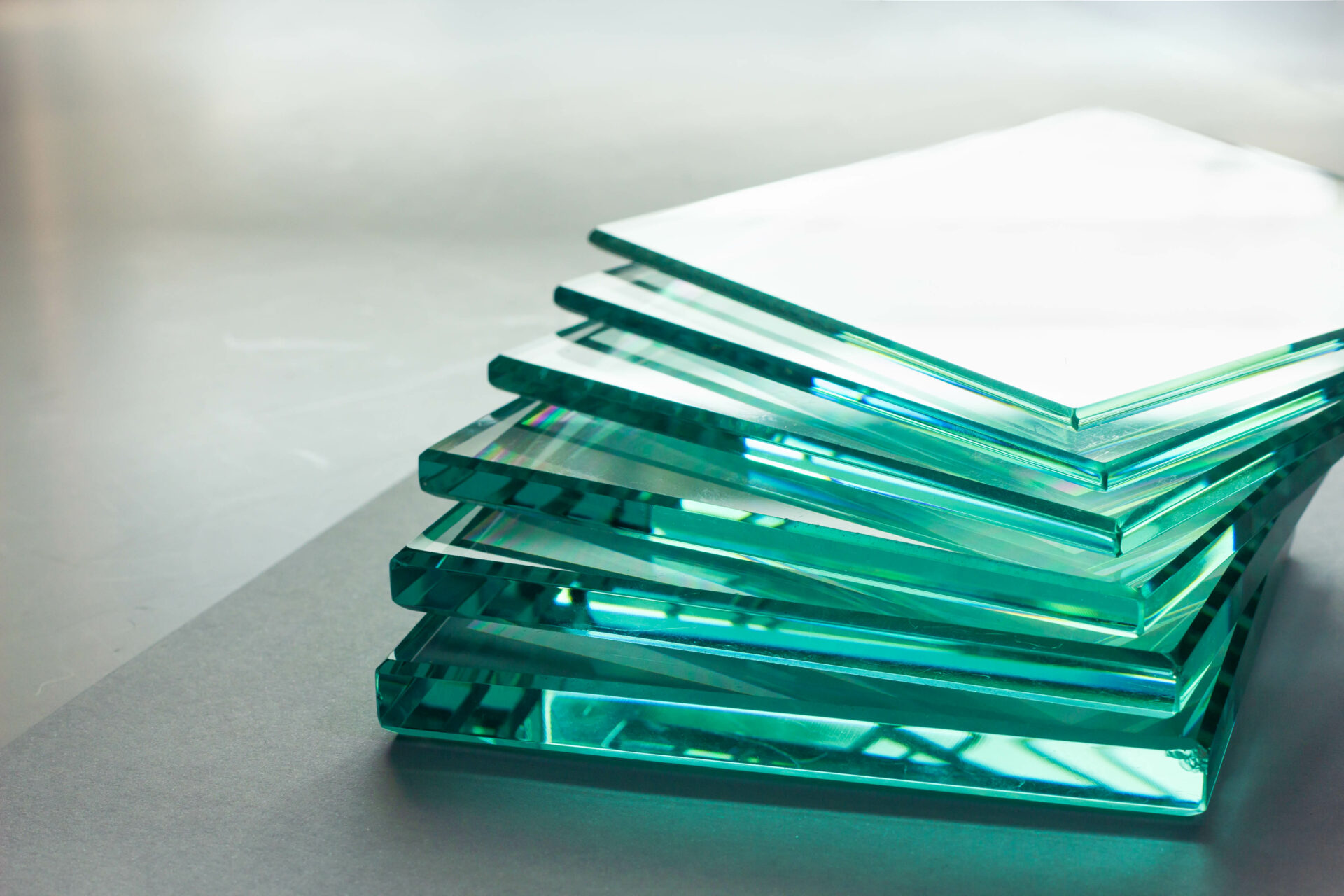
Rail transport glazing must meet stringent safety requirements defined by international and European standards, most notably EN 15152, which governs railway vehicle glazing performance. These standards ensure that windows and windscreens can withstand high-speed impacts, provide fire resistance, maintain structural integrity during collisions, and facilitate emergency egress. Raideliikenne environments demand glazing solutions that protect passengers from debris strikes, vandalism, and extreme operational stresses whilst maintaining visibility and durability throughout the vehicle’s service life.
What are the main safety standards that govern rail transport glazing?
Railway glazing systems are primarily governed by EN 15152, the European standard that specifies requirements for materials, design, and performance of glazing used in rolling stock. This standard addresses impact resistance, fire behaviour, optical properties, and environmental durability. Compliance frameworks also reference EN 45545 for fire safety and various national regulations that manufacturers and operators must follow before glazing can be certified for service.
These standards exist because raideliikenne presents unique hazards. Windows must resist ballast thrown up at high speeds, withstand vandalism attempts, and perform reliably across temperature extremes and UV exposure. Testing protocols verify that glazing maintains integrity when struck by projectiles at specified velocities, simulating real-world conditions such as stones hitting windscreens at operational speeds.
Regulatory bodies including the European Union Agency for Railways oversee compliance, ensuring that manufacturers demonstrate conformity through documented testing and quality assurance processes. We work within these frameworks to deliver aluminium-framed glazing assemblies that meet all applicable requirements, providing technical documentation and test certificates that validate performance standards for each project.
Why does rail glazing need to meet higher safety requirements than regular glass?
Rail glazing operates in significantly more demanding conditions than architectural or standard automotive glass. Trains and trams travel at high speeds where debris impacts occur with greater force, require vandalism resistance in public environments, and must allow emergency egress during incidents. Passengers depend on glazing to remain intact during collisions or derailments, providing a protective barrier whilst enabling escape routes when needed.
The operational environment in raideliikenne includes exposure to extreme vibration, thermal cycling from heated interiors to cold exteriors, and potential impacts from ballast, ice, or deliberate damage. Standard glazing materials would fail under these conditions, creating safety hazards and operational disruptions. These factors drive specific material selections and rigorous testing protocols that verify performance under stress conditions far exceeding normal use.
Unlike building windows that remain stationary, rail glazing must maintain integrity whilst the vehicle moves through varying environments at speed. This includes managing pressure differentials when trains enter tunnels, resisting flexing from aluminium frame movement, and maintaining optical clarity despite constant vibration. We design our framed glazing systems to accommodate these dynamic loads whilst ensuring long service life and reliable performance throughout the vehicle’s operational period.
What types of safety glass are used in trains and trams?
Toughened safety glass is commonly specified for side windows in raideliikenne applications. This material undergoes heat treatment that creates internal stresses, making it approximately five times stronger than standard glass. When broken, it fractures into small, relatively harmless granules rather than dangerous shards, reducing injury risk during incidents.
Laminated glass consists of multiple glass layers bonded with interlayer films, typically polyvinyl butyral. This construction provides superior impact resistance and penetration protection, making it essential for windscreens and high-risk areas. When impacted, the interlayer holds fragments together, maintaining a barrier even after glass fracture. We incorporate laminated solutions where specifications require enhanced security and passenger protection.
Double glazing assemblies offer thermal and acoustic insulation benefits alongside safety performance. These units combine toughened or laminated glass layers with sealed air gaps, reducing noise transmission and improving passenger comfort. Interior partition glazing may use thinner toughened glass where external impact risks are minimal, whilst doors and emergency exits require materials that balance strength with controlled breakage for egress purposes.
Polycarbonate glazing provides exceptional impact resistance in extreme applications, though its use in raideliikenne is selective due to scratch sensitivity and optical properties. We evaluate project requirements carefully, recommending glass types that deliver optimal safety performance, durability, and lifecycle value for each specific application and location within the vehicle.
How is rail transport glazing tested to ensure passenger safety?
Rail glazing undergoes rigorous impact testing where projectiles of specified mass and hardness strike the glass at defined velocities. The GMRT 2100 test, for example, verifies that windscreens prevent penetration by simulating ballast impacts at operational speeds. Ball drop tests assess resistance to concentrated force, whilst large body impact tests evaluate performance during passenger contact scenarios.
Fire resistance testing exposes glazing materials to flames and radiant heat, measuring flame spread, smoke production, and structural integrity under fire conditions. These tests ensure that glazing does not contribute to fire propagation and maintains its barrier function long enough for evacuation. Environmental stress testing includes thermal cycling, humidity exposure, and UV radiation to verify that performance remains consistent throughout the vehicle’s service life.
Quality assurance processes verify that production batches meet specifications through sampling and testing protocols. We maintain documentation for every glazing assembly, including material certificates, test results, and compliance declarations. This traceability ensures that raideliikenne operators receive glazing systems with verified performance characteristics, supported by technical evidence that satisfies regulatory requirements.
Testing also includes mechanical assessments of the complete framed assembly, verifying that aluminium frames maintain glass retention under stress and that sealing systems prevent water ingress and air leakage. Our approach integrates frame design with glazing selection, ensuring that the complete assembly performs reliably under operational conditions whilst supporting long-term maintainability through available spare parts and refurbishment services.