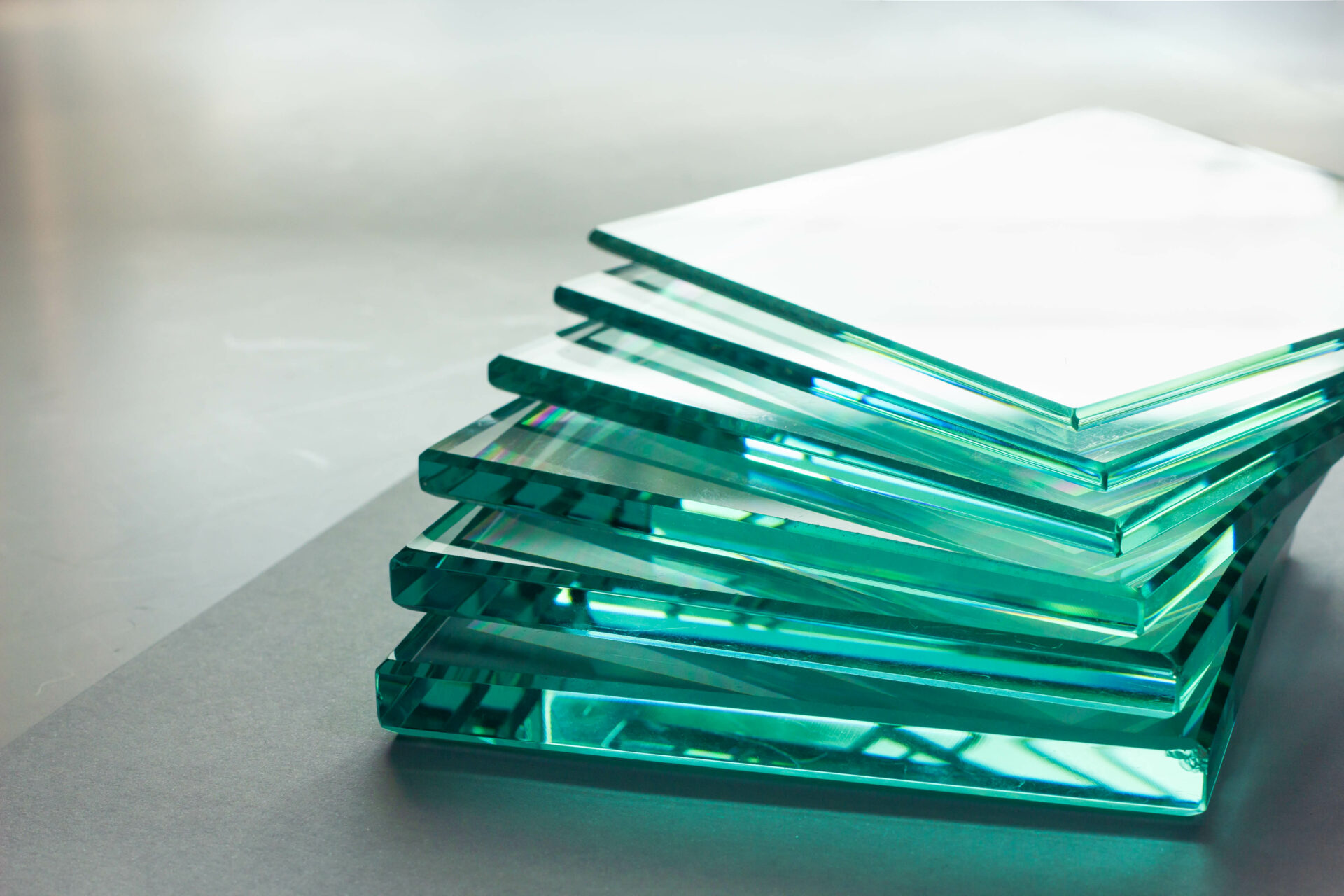

Several glazing options can significantly reduce solar heat gain in cabin windows, including low-E coatings, tinted glass, and multi-pane systems. These solutions work by reflecting or absorbing infrared radiation while maintaining natural light transmission. The most effective approach often combines multiple technologies, such as low-E coatings with double glazing, to create optimal thermal comfort and energy efficiency in cabin environments.
What is solar heat gain and why does it matter for cabin windows?
Solar heat gain refers to the increase in temperature that occurs when solar radiation passes through glass and converts to heat inside a space. The solar heat gain coefficient (SHGC) measures how much solar radiation becomes heat, with lower values indicating better heat rejection. This process occurs when sunlight strikes glass and infrared radiation penetrates the interior, causing temperatures to rise significantly.
In cabin environments, uncontrolled solar heat gain creates several challenges that affect both comfort and operational costs. Excessive heat buildup leads to uncomfortable interior temperatures, forcing air conditioning systems to work harder and consume more energy. This increased cooling demand directly impacts fuel consumption and operational efficiency.
The confined nature of cabin spaces makes heat management particularly critical. Unlike larger buildings with multiple zones, cabins have limited space for heat dissipation, making effective glazing solutions essential for maintaining comfortable conditions. Poor heat control can also affect equipment performance and passenger or crew comfort in transport applications.
Which types of glazing coatings effectively reduce heat transmission?
Low-E (low-emissivity) coatings are among the most effective glazing coatings for reducing heat transmission while maintaining visibility. These microscopically thin metallic layers reflect infrared radiation back outside while allowing visible light to pass through. Low-E coatings can reduce heat gain by 30–50% compared to standard glass, making them highly effective for thermal management.
Reflective films provide another approach to heat control by creating a mirror-like surface that reflects solar radiation away from the glass. These coatings work particularly well in high-sun environments but may reduce natural light transmission more than low-E options. Spectrally selective coatings offer advanced performance by targeting specific wavelengths, blocking heat-producing infrared while maximising visible light transmission.
The effectiveness of window coatings depends on proper application and quality. We work with clients to select appropriate coating types based on specific environmental conditions and performance requirements. Multiple coating layers can be combined for enhanced performance, though this requires careful consideration of optical properties and manufacturing constraints.
How do tinted and specialised glass options compare for heat control?
Tinted glass reduces solar heat gain by absorbing solar radiation within the glass itself, with bronze, grey, and blue tints offering different levels of heat absorption and light transmission. Bronze tints typically provide excellent heat absorption while maintaining natural colour perception. Grey tints offer neutral colour rendering with good heat reduction, while blue tints provide moderate heat control with a distinctive appearance.
Heat-absorbing glass works by incorporating metal oxides during manufacturing, which absorb infrared radiation and convert it to heat within the glass pane. This absorbed heat is then dissipated to the outside environment rather than transmitted indoors. The effectiveness varies by tint density, with darker tints providing greater heat absorption but reduced light transmission.
Specialised glazing solutions such as electrochromic or thermochromic glass offer dynamic heat management capabilities. Electrochromic glass can change opacity electronically, allowing variable heat control throughout the day. Thermochromic glass automatically adjusts its properties based on temperature, providing passive heat management without external controls.
For demanding applications in transport and industrial environments, we evaluate these options based on durability requirements, maintenance considerations, and long-term performance. The choice depends on specific heat control needs, aesthetic requirements, and operational conditions.
What role does double or triple glazing play in reducing solar heat gain?
Double and triple glazing systems create thermal barriers using multiple glass layers separated by insulating gas fills, typically argon or krypton. These systems reduce heat transmission through convection and conduction while providing space for low-E coatings on interior surfaces. The insulating gas fills have lower thermal conductivity than air, enhancing the overall thermal performance of the glazing system.
Combining low-E coatings with multi-pane systems delivers superior performance compared to either technology alone. The outer pane can feature solar control coatings to reject heat, while inner surfaces use low-E coatings to reflect interior heat back inside during cooler periods. This combination provides year-round thermal efficiency and enhanced comfort control.
Aluminium framing systems require careful attention to thermal bridging considerations in multi-pane applications. We address this through thermal break technology and proper frame design to prevent heat transfer through the frame itself. The frame’s thermal performance becomes increasingly important as glazing performance improves, ensuring the entire window system works effectively.
For professional applications requiring minimum order quantities, we provide consultation on optimal glazing configurations based on specific environmental conditions and performance requirements. Our experience with over 100 aluminium profile types allows us to recommend frame and glazing combinations that deliver long-term performance and spare-part availability for ongoing maintenance needs.