

Rail transport glazing refers to specialized window and glass systems designed specifically for trains, trams, and other railway vehicles. Unlike standard architectural or automotive glass, these systems must withstand extreme vibrations, dramatic temperature fluctuations, and potential impacts whilst maintaining passenger safety and comfort. Railway glazing combines advanced glass types with precision-engineered aluminium framing to meet strict regulatory standards and deliver exceptional durability in demanding raideliikenne environments.
What is rail transport glazing and why is it different from regular windows?
Rail transport glazing comprises purpose-built window systems engineered for trains, trams, and other railway vehicles. These systems differ fundamentally from standard windows because they must endure constant vibration, extreme temperature variations, high-speed wind pressure, and potential impact from debris or vandalism whilst ensuring passenger safety and regulatory compliance.
The raideliikenne environment places extraordinary demands on glazing systems. Vehicles travel at high speeds through varied climates, experiencing temperature swings from freezing conditions to intense summer heat within hours. The constant vibration from track contact stresses both glass and framing materials in ways that stationary buildings never encounter. Railway glazing must also resist impacts that would shatter conventional windows, protecting passengers from flying objects and maintaining structural integrity during emergencies.
Aluminium framing systems form the critical backbone of railway glazing solutions. These frames integrate seamlessly with vehicle structures, providing lightweight yet robust mounting that reduces overall vehicle weight without compromising strength. The precision engineering ensures perfect sealing against water infiltration, air leakage, and noise transmission. We design our framing systems to accommodate the specific profiles required by different railway vehicle manufacturers, offering custom solutions when standard profiles cannot meet project requirements.
Regulatory compliance distinguishes railway glazing from other applications. Transport authorities mandate rigorous testing standards, including GMRT 2100 requirements that verify resistance to penetration by flying objects. These standards ensure that glazing systems protect passengers under extreme conditions whilst providing emergency egress routes when needed. Our glazing solutions undergo comprehensive testing to verify compliance before installation.
What types of glass are used in rail transport glazing?
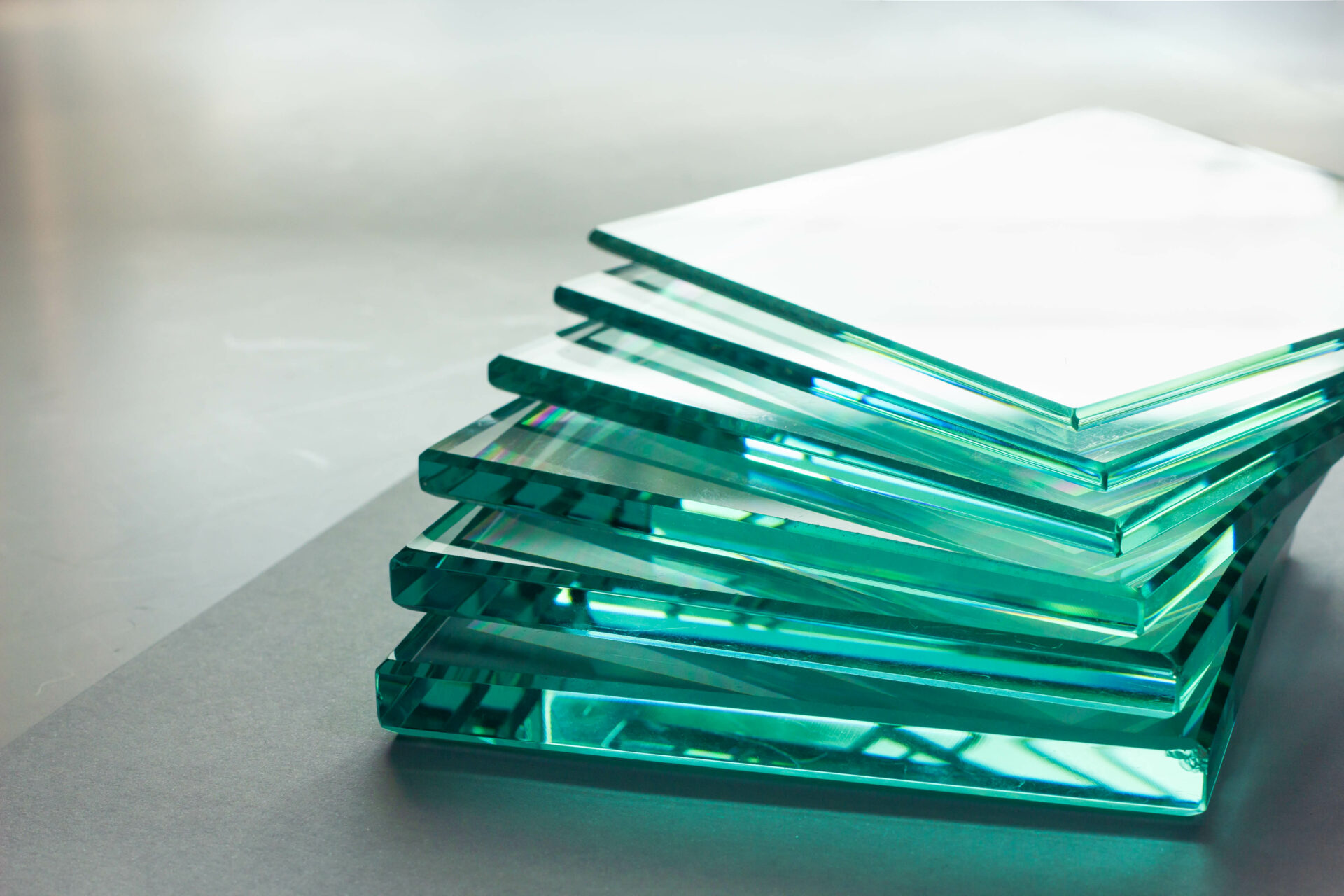
Railway applications employ several specialized glass types, each addressing specific challenges in raideliikenne environments. Toughened safety glass provides exceptional impact resistance, shattering into small, relatively harmless fragments if broken. Laminated glass offers enhanced security by holding fragments together when damaged, preventing penetration and maintaining barrier integrity. Double glazing delivers superior thermal and acoustic insulation, whilst heated glass ensures visibility in cold climates by preventing ice and condensation buildup.
Toughened glass undergoes thermal treatment that creates internal stresses, making it four to five times stronger than standard glass. This strength proves essential for withstanding impacts from stones, debris, or vandalism attempts. When breakage occurs, the glass crumbles into small granules rather than dangerous shards, reducing injury risk significantly. We specify toughened glass for side windows and areas where impact resistance takes priority.
Laminated glass consists of multiple glass layers bonded with interlayer materials that hold fragments together upon impact. This construction provides security benefits beyond simple strength, as the glass maintains its position even when cracked. For driver cabins and critical areas, laminated glass offers protection against penetration whilst maintaining visibility after damage. The interlayer also contributes to noise reduction, an important consideration for passenger comfort.
Double glazing addresses the thermal and acoustic challenges inherent in railway vehicles. The air gap between glass panes provides insulation that reduces heat transfer, lowering heating and cooling costs whilst improving passenger comfort. This same gap dampens sound transmission, creating quieter interiors despite exterior noise from tracks, wheels, and wind. We engineer double glazing systems to maintain their insulating properties despite the vibration and pressure changes experienced during operation.
Heated glass incorporates transparent conductive coatings or embedded heating elements that prevent ice formation and eliminate condensation. In northern climates, this technology ensures driver visibility and passenger comfort without requiring external wipers or defrosting systems. The heating elements integrate seamlessly with vehicle electrical systems, activating automatically when temperatures drop below specified thresholds.
Why do trains and trams need specialised aluminium-framed glazing systems?
Aluminium framing provides the optimal combination of strength, light weight, and corrosion resistance required for raideliikenne applications. The material’s high strength-to-weight ratio reduces vehicle mass without sacrificing structural integrity, directly improving energy efficiency and reducing track wear. Aluminium’s natural corrosion resistance ensures long service life despite exposure to moisture, salt, and industrial pollutants, whilst precision engineering enables perfect sealing against water and air infiltration.
Weight reduction matters significantly in railway vehicles. Every kilogram saved in glazing systems reduces energy consumption during acceleration and decreases brake wear during stopping. Aluminium frames achieve this weight reduction whilst maintaining the rigidity necessary to support large glass panels and withstand operational stresses. We design our framing systems to integrate structurally with vehicle bodies, distributing loads effectively and preventing stress concentrations that could cause fatigue failures.
Corrosion resistance extends service life and reduces maintenance requirements. Railway vehicles operate in harsh environments where moisture, road salt, and industrial chemicals attack unprotected metals. Aluminium naturally forms a protective oxide layer that prevents progressive corrosion. We enhance this protection through open anodising and powder coating processes that provide exceptional longevity. Our frames maintain their structural integrity and appearance for decades, supporting our commitment to durable, long-life solutions.
Precision engineering ensures reliable sealing performance throughout the vehicle’s service life. Railway glazing systems must prevent water infiltration that could damage interiors, electronics, or structural components. Air leakage wastes energy and creates uncomfortable draughts for passengers. Our aluminium frames incorporate sophisticated sealing systems with replaceable gaskets and drainage channels that manage water effectively. The dimensional stability of aluminium maintains seal compression despite temperature variations and vibration.
Flexibility in profile design allows us to meet diverse project requirements. Railway vehicle manufacturers work with varied designs, each requiring specific glazing integration approaches. We maintain a library of over 100 profile types developed for different applications. When projects demand unique solutions, we collaborate with clients to design custom profiles that address specific technical challenges. This design flexibility proves essential for both new vehicle production and refurbishment projects where existing mounting configurations must be accommodated.
Our glazing systems incorporate practical features that enhance safety and usability. Spring-assisted mechanisms balance glass weight in sliding windows and doors, improving ease of operation whilst reducing wear on components. Emergency egress windows can be completely removed or lowered on cables for reuse, providing reliable escape routes during emergencies. Tested open/closed sensor solutions prevent vehicle movement when windows remain open, addressing critical safety requirements. These features reflect our understanding of operational needs gained through decades of raideliikenne experience.
We support our clients throughout the product lifecycle, offering refurbishment services that extend the useful life of existing glazing systems. Frames can be fitted with new glass, sliding components, and locking mechanisms, providing cost-effective alternatives to complete replacement. Our commitment to small-batch production and spare part availability ensures that even older installations receive ongoing support, protecting our clients’ investments and maintaining vehicle operational availability.