

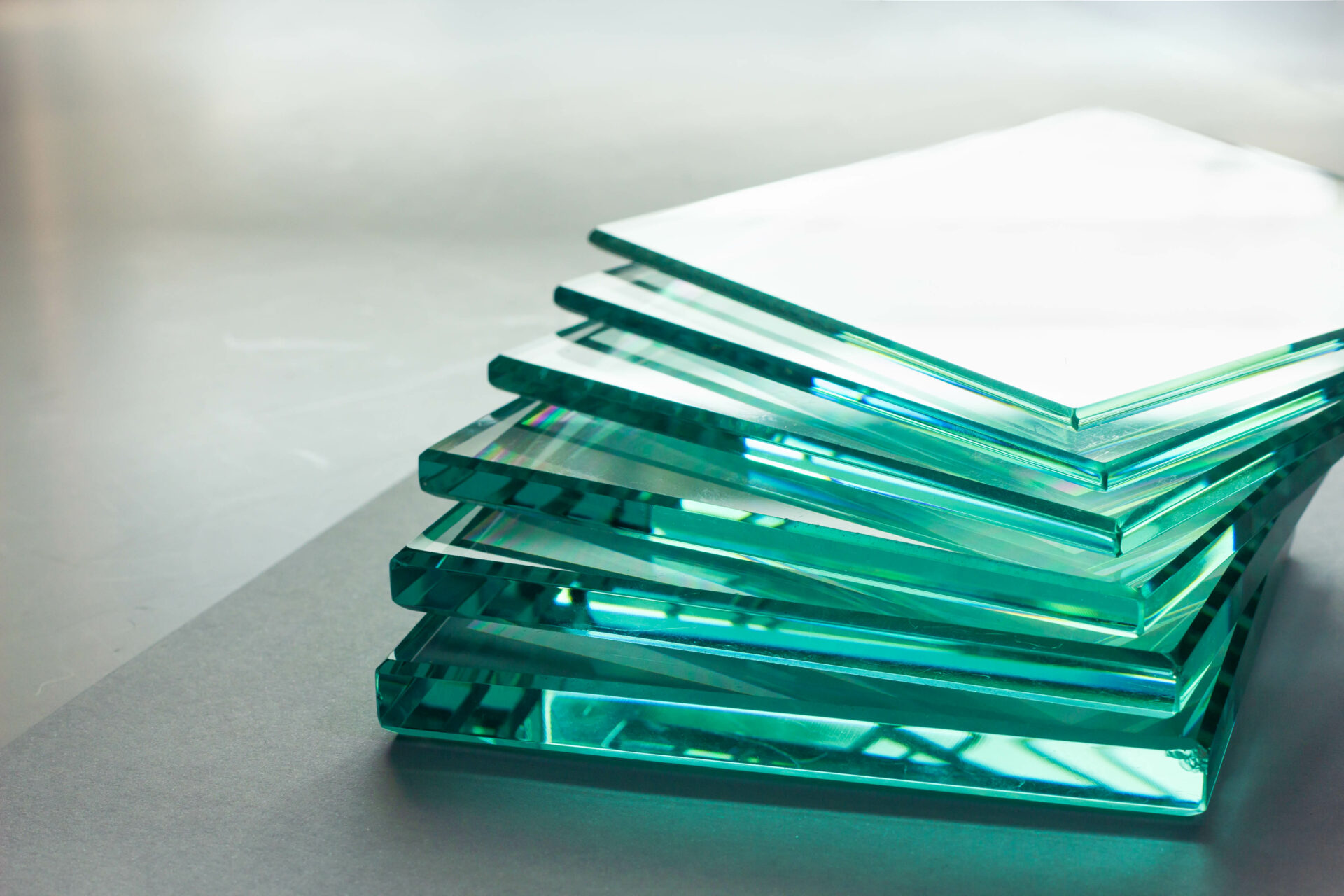
Rail vehicle glazing solutions rely on specialised safety glass and aluminium framing systems engineered to withstand demanding operational conditions. Laminated safety glass, toughened glass, and double glazing provide impact resistance, noise reduction, and thermal insulation, whilst aluminium frames deliver lightweight durability and corrosion resistance. Together, these materials meet rigorous European railway standards for passenger safety and environmental performance in raideliikenne applications.
What types of glass are used in rail vehicle windows?
Rail vehicle windows primarily use laminated safety glass, toughened glass, and double glazing configurations. Laminated glass consists of multiple glass layers bonded with interlayer materials that prevent shattering upon impact, keeping fragments contained. Toughened glass undergoes thermal treatment to increase strength four to five times beyond standard glass, whilst double glazing incorporates two glass panes with an insulating air gap for superior thermal and acoustic performance.
Each glass type serves specific functions within raideliikenne environments. Laminated safety glass provides exceptional impact resistance, preventing penetration from flying objects and maintaining structural integrity during collisions. The interlayer also blocks UV radiation, protecting passengers and interior materials from sun damage. Toughened glass offers excellent resistance to thermal stress and mechanical impact, making it suitable for side windows and areas requiring emergency escape functionality.
Double glazing addresses the acoustic and thermal challenges inherent in rail transport. The air gap between panes significantly reduces noise transmission from wheels, tracks, and external environments, creating quieter passenger compartments. This configuration also improves thermal insulation, reducing heat loss during winter months and minimising solar heat gain in summer, which contributes to energy-efficient climate control.
Specialised coatings and treatments enhance these fundamental glass properties. Anti-scratch coatings protect against wear from cleaning and environmental exposure, extending service life. Low-emissivity coatings reflect infrared radiation whilst allowing visible light transmission, improving thermal efficiency. We also manufacture heated glass variants incorporating transparent conductive layers that prevent condensation and ice formation, essential for maintaining visibility in harsh weather conditions across extended operational lifespans.
Why is aluminium the preferred frame material for rail vehicle glazing?
Aluminium combines exceptional strength-to-weight ratio with corrosion resistance, making it ideal for rail vehicle glazing frames. The material provides structural integrity whilst minimising overall vehicle weight, which directly impacts energy efficiency and operational costs. Aluminium frames withstand decades of service exposure to moisture, temperature fluctuations, and mechanical stress without degradation, offering long-term durability that justifies initial investment.
Weight reduction represents a critical advantage in raideliikenne applications. Every kilogramme saved in vehicle construction reduces energy consumption during acceleration and operation. Aluminium frames weigh significantly less than steel alternatives whilst maintaining comparable structural performance. This weight efficiency accumulates across multiple glazing units throughout a train or tram, contributing measurably to fuel economy and reduced carbon emissions over the vehicle’s operational lifetime.
The material’s natural corrosion resistance eliminates the deterioration common in other metals exposed to railway environments. Aluminium forms a protective oxide layer that prevents further oxidation, maintaining structural integrity and appearance without extensive maintenance. We enhance this inherent property through anodising and powder coating treatments, creating surfaces that withstand salt spray, industrial pollutants, and cleaning chemicals encountered in daily service.
Design flexibility distinguishes aluminium as the optimal framing material. We maintain over 100 profile types in our manufacturing library, and aluminium’s malleability allows us to develop custom profiles for unique project requirements. This adaptability enables precise fitment to vehicle body contours, accommodation of various glass thicknesses, and integration of specialised features such as spring mechanisms for partition windows or emergency release systems. The material machines cleanly, accepts various joining methods, and supports the tight tolerances necessary for weather sealing and operational reliability.
How do rail glazing materials meet safety and regulatory standards?
Rail glazing materials undergo rigorous testing for impact resistance, fire safety, and structural integrity to meet European and international railway standards. Each material combination—glass type, frame profile, and sealing system—must demonstrate compliance through documented testing procedures. These assessments verify that glazing assemblies withstand operational stresses whilst providing passenger protection and emergency egress capabilities required in raideliikenne environments.
Impact resistance testing follows protocols such as GMRT 2100, which simulates projectile strikes from ballast, debris, and vandalism. Test specimens must prevent penetration whilst maintaining structural integrity, ensuring passenger protection from external hazards. We conduct these assessments during development and quality assurance processes, verifying that laminated glass layers, frame strength, and mounting systems work together to absorb and distribute impact forces effectively.
Fire safety compliance addresses both material behaviour and toxic emissions during thermal exposure. Glass and aluminium components must resist ignition, limit flame spread, and minimise smoke generation. Sealing materials and any integrated components undergo similar evaluation. These requirements ensure that glazing systems do not contribute to fire propagation or create evacuation hazards, maintaining escape route integrity during emergency scenarios.
Structural integrity assessments evaluate long-term performance under operational loads. Testing simulates vibration, pressure fluctuations, thermal cycling, and mechanical stress experienced during normal service. Frame assemblies must maintain glazing retention, weather sealing, and operational functionality throughout the vehicle’s expected lifespan. We select materials based on proven performance characteristics and verify assembled units through quality testing before delivery.
The combination of materials determines overall system performance. Aluminium frames provide the structural foundation that supports glass panels whilst accommodating thermal expansion. Sealing systems prevent water ingress and air leakage whilst allowing necessary movement. Glass selection addresses specific safety, thermal, and acoustic requirements. We approach each project by understanding the complete operational context, ensuring material specifications and assembly methods deliver reliable performance that meets regulatory requirements whilst supporting long service life and spare part availability for future maintenance needs.