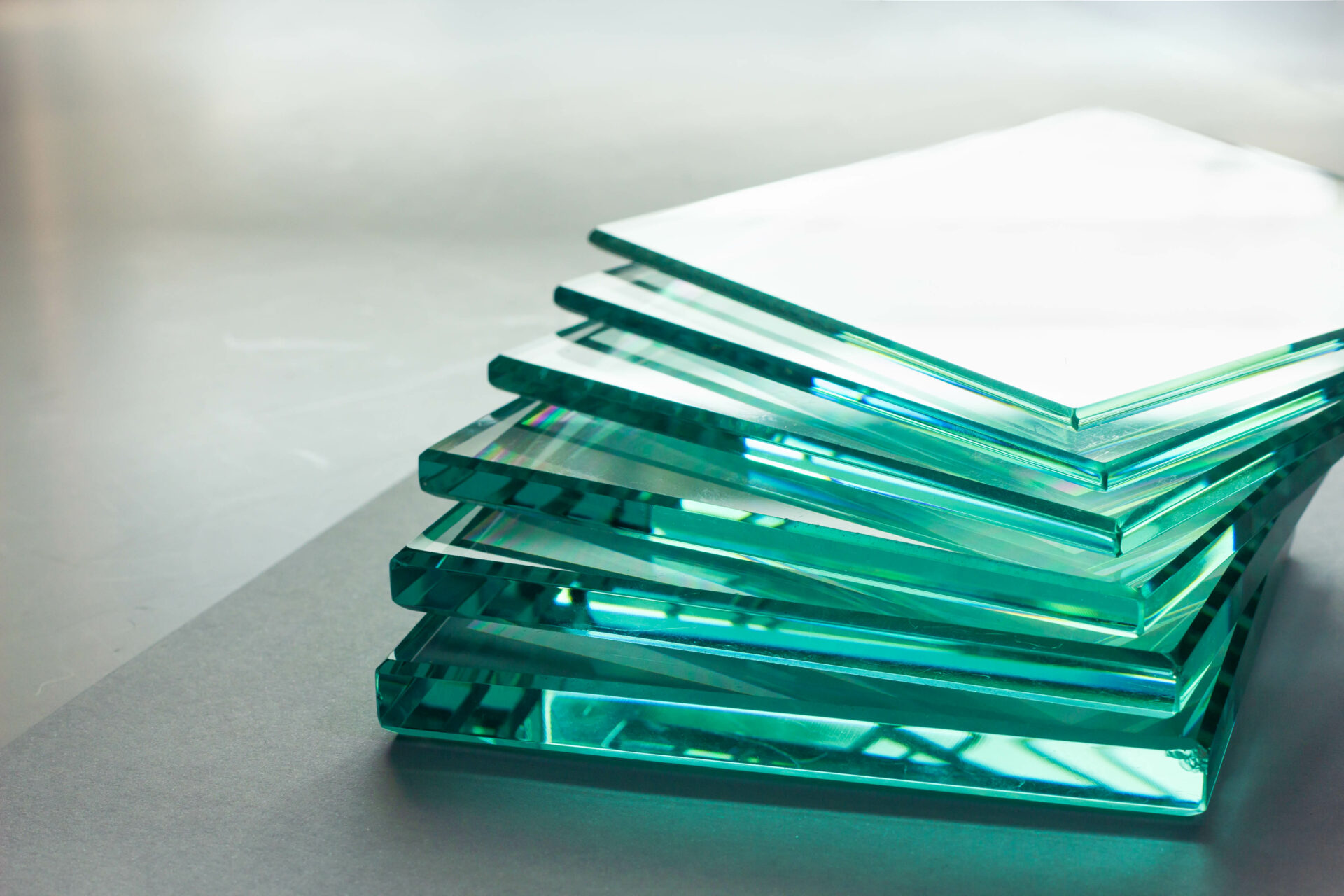

Choosing between tempered glass, laminated glass, and insulated cabin glass depends on your specific safety, thermal, and operational requirements. Tempered glass offers impact resistance, laminated glass provides security and noise reduction, while insulated glass delivers superior thermal performance. Each type serves different cabin applications, from marine vessels to transport vehicles and heavy machinery.
What exactly are tempered, laminated, and insulated glass types?
Tempered glass is safety glass created through controlled thermal treatment, heating ordinary glass to approximately 650°C and then rapidly cooling it. This process creates internal stress that makes the glass four to five times stronger than standard glass. When broken, tempered glass shatters into small, relatively harmless pieces rather than dangerous shards.
Laminated glass consists of two or more glass layers bonded together with a plastic interlayer, typically polyvinyl butyral (PVB). The manufacturing process involves placing the interlayer between glass sheets, then using heat and pressure to create a permanent bond. When damaged, the glass fragments remain attached to the interlayer, maintaining structural integrity.
Insulated glass units feature two or more glass panes separated by a sealed air- or gas-filled space. The manufacturing process creates an airtight seal around the perimeter, often filled with argon or krypton gas for enhanced thermal performance. This construction significantly reduces heat transfer and condensation while providing excellent thermal insulation.
How do these three glass types perform differently in cabin applications?
Safety performance varies significantly between these glazing solutions. Tempered glass excels in impact resistance, making it ideal for areas requiring protection from physical damage. Laminated glass provides superior security benefits, as the interlayer prevents complete penetration even when the glass is broken, making it excellent for marine glass applications where water ingress must be prevented.
Thermal properties differ substantially across these glass types. Insulated cabin glass delivers exceptional energy efficiency, reducing heating and cooling costs in transport glazing applications. The sealed air space acts as a thermal barrier, preventing heat loss in cold conditions and heat gain in warm environments. Tempered and laminated glass offer minimal thermal insulation as single-pane solutions.
Noise reduction capabilities also vary considerably. Laminated glass provides excellent sound dampening due to its plastic interlayer, which absorbs vibrations and reduces noise transmission. This makes it particularly valuable for transport vehicles operating in noisy environments. Insulated glass offers moderate noise reduction through its dual-pane construction, while tempered glass provides minimal acoustic benefits.
Durability under environmental stress shows distinct patterns. Marine glass applications benefit from laminated solutions that resist salt spray and maintain clarity over time. Heavy machinery cabins often require tempered glass for its impact resistance against debris and its tolerance to vibration.
Which glass type should you choose for different cabin situations?
Marine vessel applications typically require laminated glass for wheelhouses and critical viewing areas. The security benefits prevent water ingress during impact, while the noise reduction improves operator comfort during extended voyages. For non-critical areas, tempered glass provides cost-effective impact resistance against maritime hazards.
Transport vehicle cabins benefit from specific glass selection based on operational demands. Bus and tram applications often specify tempered glass for side windows due to safety regulations, while laminated glass works well for windscreens where security and visibility are paramount. Insulated glazing solutions suit climate-controlled vehicles requiring energy efficiency.
Heavy machinery operations present unique glazing challenges requiring careful consideration. Excavators and construction equipment typically use tempered glass for its impact resistance against flying debris. However, applications requiring extended operator comfort may benefit from laminated glass to reduce noise fatigue and improve working conditions.
We specialise in developing custom glazing solutions that match specific operational requirements. Our extensive profile library and glass specification expertise enable us to recommend optimal combinations for demanding applications. When selecting cabin windows, consider factors including safety regulations, environmental exposure levels, thermal requirements, and long-term durability needs. Minimum order quantities apply for specialised configurations, ensuring cost-effective production while maintaining our quality standards.
Professional glazing solutions require careful evaluation of operational demands, regulatory compliance, and environmental conditions. We work closely with clients to identify the most suitable glass and frame combination, providing design consultation to avoid costly specification errors and ensure optimal performance throughout the product lifecycle.